


The Importance of Documentation in Insurance Claim Investigations
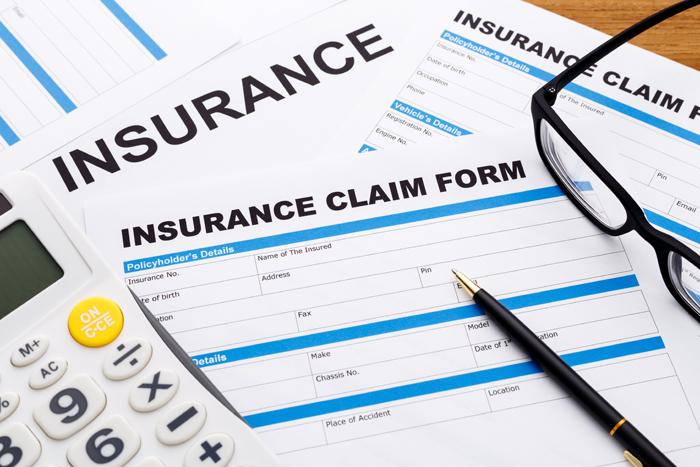
Insurance claim investigations are a critical aspect of the insurance industry. They serve to ensure that claims are legitimate, prevent fraudulent activities, and maintain the integrity of the insurance process. At the heart of every effective investigation lies one crucial element: documentation.
Proper documentation is not merely a procedural formality; it is the backbone of accurate claim assessment, legal compliance, and risk management. This article explores the importance of documentation in insurance claim investigations, highlighting its benefits, challenges, and best practices.
Ensuring Accuracy and Accountability
One of the primary reasons documentation is essential in insurance claim investigations is accuracy. When a claim is filed, investigators must collect detailed information regarding the incident, including dates, times, locations, involved parties, and supporting evidence such as photographs, receipts, and medical reports. Proper documentation ensures that all facts are accurately recorded, minimizing the risk of misinterpretation or errors during the investigation process.
Moreover, detailed records foster accountability among insurance personnel. Every step taken by claims adjusters, investigators, and other stakeholders is documented, creating a clear trail of decisions and actions. This level of transparency ensures that all parties involved are held responsible for their work, discouraging negligence and promoting ethical conduct.
Supporting Fraud Detection and Prevention
Insurance fraud is a significant concern, costing the industry billions of dollars annually. Fraudulent claims can range from exaggerated damage reports to staged accidents, making the need for thorough documentation even more critical. Comprehensive documentation allows investigators to identify inconsistencies, verify claims, and detect potentially fraudulent activities.
For example, comparing witness statements with photographic evidence or cross-referencing medical records can reveal discrepancies that warrant further investigation. Without meticulous documentation, fraudulent claims may go undetected, resulting in financial losses for the insurance company and increased premiums for policyholders.
Facilitating Legal and Regulatory Compliance
The insurance industry is heavily regulated, with stringent laws governing claim handling, privacy, and reporting standards. Proper documentation is essential for ensuring compliance with these legal and regulatory requirements.
Detailed records can serve as evidence in legal proceedings, whether in civil litigation, arbitration, or regulatory audits. For instance, in cases where claim disputes escalate to court, well-documented investigation reports, photographs, and communication records can substantiate the insurance company’s position and protect it from liability. Failure to maintain proper documentation may expose the company to legal challenges, fines, or reputational damage.
Enhancing Communication and Collaboration
Insurance claim investigations often involve multiple stakeholders, including policyholders, insurance adjusters, investigators, legal teams, and external experts. Effective documentation facilitates communication and collaboration among these parties.
Structured records provide a centralized source of information, ensuring that all stakeholders have access to the same data. This reduces miscommunication, prevents duplication of efforts, and enables more efficient decision-making. For instance, a well-documented claim file allows an adjuster to quickly understand the investigation’s progress, identify gaps in evidence, and coordinate with investigators or experts as needed.
Improving Decision-Making and Risk Assessment
Accurate documentation plays a vital role in guiding decision-making during insurance claims. Investigators and adjusters rely on recorded evidence and observations to evaluate claim validity, assess damages, and determine appropriate compensation.
Comprehensive documentation provides a factual basis for these decisions, reducing subjectivity and bias. It allows insurance professionals to weigh all relevant factors systematically, from the extent of property damage to medical assessments of injury claims. Furthermore, thorough documentation contributes to better risk assessment, helping insurers identify patterns of frequent claims, high-risk policyholders, or areas prone to fraudulent activity. This data can inform underwriting decisions, policy adjustments, and risk mitigation strategies.
Supporting Continuous Improvement
Beyond immediate claim resolution, documentation contributes to the long-term improvement of insurance operations. Detailed records of past investigations serve as valuable reference materials for training new employees, developing best practices, and refining investigative methodologies.
By analyzing historical documentation, insurance companies can identify recurring issues, evaluate the effectiveness of investigative techniques, and implement measures to enhance efficiency and accuracy. This continuous learning process strengthens the organization’s overall claims handling capability and helps maintain a competitive edge in the industry.
Challenges in Maintaining Proper Documentation
While the importance of documentation is clear, maintaining it effectively can be challenging. Investigators may face large volumes of data, tight deadlines, and complex claim scenarios, making comprehensive record-keeping difficult. Additionally, inconsistent documentation standards, reliance on manual processes, and inadequate technology can compromise the quality and accessibility of records.
To address these challenges, insurance companies increasingly adopt digital documentation solutions, such as cloud-based claim management systems, electronic forms, and automated data capture tools. These technologies streamline record-keeping, improve accuracy, and facilitate secure storage and retrieval of claim information.
Best Practices for Effective Documentation
To maximize the benefits of documentation in Insurance policy limit lookup, companies should follow best practices, including:
Standardized Templates: Use consistent formats for reports, forms, and evidence collection to ensure clarity and uniformity.
Timely Recording: Document information promptly to capture accurate details and prevent memory lapses or data loss.
Comprehensive Evidence Collection: Include all relevant evidence, such as photographs, videos, witness statements, receipts, and official records.
Secure Storage: Protect documentation through secure digital platforms or encrypted physical storage to safeguard sensitive information.
Regular Audits: Periodically review documentation practices to identify gaps, ensure compliance, and maintain high standards.
Training and Awareness: Educate staff on the importance of proper documentation and provide guidance on effective techniques and legal requirements.
Conclusion
In the realm of insurance claim investigations, documentation is far more than a bureaucratic requirement—it is a fundamental tool that underpins accuracy, accountability, fraud prevention, legal compliance, effective communication, and informed decision-making.
Comprehensive and well-maintained records empower insurance professionals to conduct thorough investigations, resolve claims fairly, and safeguard the company’s financial and reputational interests.
As the insurance industry continues to evolve, embracing digital solutions and standardized practices will further enhance the efficiency and reliability of documentation processes.
Ultimately, prioritizing meticulous documentation is not just a best practice—it is an essential pillar of integrity and professionalism in insurance claim investigations.
- Digital Agency
- Literie
- Location de voitures
- Restaurant
- Restaurant
- Mode
- Mode
- Information
- Marketing
- Tourisme
- Développement
- Découverte
- Législation
- Gastronomie
- Pâtisserie
- Evento
- Art
- Causes
- Crafts
- Dance
- Drinks
- Film
- Fitness
- Food
- Jogos
- Gardening
- Health
- Início
- Literature
- Music
- Networking
- Outro
- Party
- Religion
- Shopping
- Sports
- Theater
- Wellness
 Portuguese (Brazil)
 Indian
 English
 French
 Arabic
 Spanish
 Portuguese
 Deutsch
 Turkish
 Dutch
Dutch
 Italiano
 Russian
 Romaian
 Greek
Greek
