


10 Everyday Mistakes That Spike Your Blood Sugar - KMC Hospital
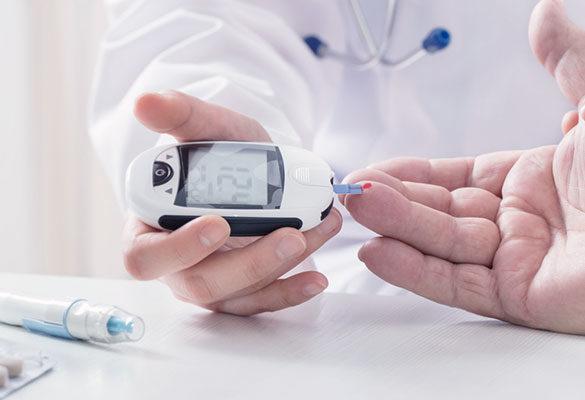
Managing diabetes requires consistent attention—not just during meals or medication times, but throughout your daily routine. What many people don’t realize is that several small, everyday habits can have a big impact on blood sugar levels. These mistakes often go unnoticed but can lead to long-term complications if ignored.
This comprehensive guide, created with insights from specialists at KMC Hospital (Krishna Medical Center), explains the most common blood sugar–spiking mistakes and how simple corrections can make life with diabetes much healthier and easier. If you are looking for expert guidance, consulting a Diabetes Specialist in Dehradun at KMC Hospital can help you personalize an effective management plan.
1. Skipping Breakfast
Skipping breakfast is one of the most common mistakes that affects blood sugar regulation. After a long overnight fast, your body needs fuel. When you skip the first meal of the day, your blood sugar levels may rise due to hormonal imbalance and increased insulin resistance.
Fix It:
Have a balanced breakfast containing:
-
Protein (eggs, sprouts, paneer)
-
Complex carbs (oats, multigrain roti)
-
Healthy fats (nuts, seeds)
This ensures stable energy levels and prevents post-meal sugar spikes later in the day.
2. Drinking Too Little Water
Dehydration makes your blood thicker, which raises glucose concentration. Many individuals forget to drink water regularly, especially during busy mornings or work hours.
Fix It:
Aim for 8–10 glasses of water daily. Keep a bottle handy and set small reminders if needed.
3. Overeating “Healthy” Foods
Foods like fruits, oats, dry fruits, and smoothies seem healthy but can cause sudden glucose spikes if eaten in excess.
Fix It:
Moderation is everything. Instead of large portions, focus on controlled servings. Diabetics should prefer low-glycemic fruits such as apples, papaya, or guava.
4. Choosing Low-Fat or Diet Foods Without Reading Labels
Many “diet” or “low-fat” packaged foods contain extra sugar or refined carbs to improve taste after fat removal. This often leads to higher blood sugar levels.
Fix It:
Always read the ingredient list. Choose whole, natural, and minimally processed foods over packaged ones.
5. Not Getting Enough Sleep
Poor sleep affects insulin sensitivity, increases stress hormones, and triggers sugar cravings. Even one night of inadequate sleep can cause elevated blood sugar the next day.
Fix It:
Maintain a sleep schedule of 7–8 hours. Reduce screen time before bed and create a relaxing routine.
6. Eating Too Quickly
Fast eating can cause overeating, poor digestion, and rapid rises in blood sugar because the brain does not get enough time to signal fullness.
Fix It:
Eat mindfully. Chew slowly and enjoy every bite. This not only helps control portion size but also aids digestion.
Also Read - Top 10 Foods That Help Control Blood Sugar Naturally
7. Skipping Regular Exercise
Lack of movement is a major contributor to high blood sugar. Even simple daily activities such as walking help your body utilize glucose efficiently.
Fix It:
-
Take a 10-minute walk after meals
-
Add light stretching or yoga
-
Stay active throughout the day
KMC Hospital specialists often recommend a mix of aerobic exercises and strength training for better glucose control.
8. Taking Medicines at Inconsistent Times
Many people forget or delay their diabetes medication, assuming skipping one dose won’t matter. This inconsistency disrupts insulin rhythm and spikes blood sugar.
Fix It:
Take medications at the same time every day. Use an alarm or pill organizer to avoid missing doses. For treatment adjustments, contacting a Diabetes Specialist in Dehradun at KMC Hospital is advisable.
9. Not Managing Stress
Stress increases cortisol levels, which directly raises blood sugar. Long-term stress can make it harder for your body to use insulin effectively.
Fix It:
-
Practice deep breathing
-
Try meditation or mindfulness
-
Engage in hobbies
-
Spend time in nature
KMC Hospital also offers personalized counseling and lifestyle guidance for better stress management.
10. Ignoring Regular Health Check-Ups
One of the biggest mistakes is relying only on how you feel. Blood sugar levels can fluctuate silently, and complications may begin without visible symptoms.
Fix It:
Routine check-ups and HbA1c monitoring are essential. A Diabetes Specialist in Dehradun at Krishna Medical Center (KMC) Hospital can help you track progress and adjust treatment for better long-term control.
Why Choose KMC Hospital for Diabetes Care?
Krishna Medical Center (KMC) Hospital is recognized for offering comprehensive and personalized diabetes care. The hospital’s team ensures that patients receive updated medical guidance, lifestyle counseling, and long-term diabetes management support.
What Makes KMC Hospital Stand Out?
-
Modern diagnostic facilities
-
Experienced diabetes specialists
-
Customized treatment and diet plans
-
Patient education & lifestyle modification support
-
Compassionate care and long-term follow-up
If you are living with diabetes or prediabetes, having the right healthcare team is essential. KMC Hospital provides a holistic approach to diabetes management that helps patients live healthier, happier, and more confident lives.
Frequently Asked Questions (FAQs)
1. What causes sudden spikes in blood sugar?
Skipping meals, stress, lack of sleep, high-carb foods, and missed medications are common reasons. Monitoring lifestyle habits can help prevent spikes.
2. How often should I check my blood sugar levels?
Most diabetics benefit from daily monitoring. However, your doctor may recommend a personalized frequency depending on your treatment plan.
3. Can lifestyle changes alone control diabetes?
In early stages, lifestyle changes may help significantly. However, many people need a combination of medication, diet, exercise, and specialist guidance.
4. When should I visit a Diabetes Specialist in Dehradun?
If you experience frequent sugar fluctuations, fatigue, excessive thirst, blurred vision, or difficulty managing your diabetes, it’s time to consult a specialist at KMC Hospital.
5. Are blood sugar spikes dangerous?
Yes. Repeated spikes can damage blood vessels, nerves, kidneys, and eyes over time. Early correction is key to long-term health.
Conclusion
Avoiding everyday mistakes is one of the most effective ways to maintain stable blood sugar levels. Small, mindful changes in diet, lifestyle, sleep, and routine can make a big difference.
If you need expert support, connect with a Diabetes Specialist in Dehradun at KMC Hospital or Krishna Medical Center. Professional guidance can help you take control of your health and live a more balanced, fulfilling life.
- Digital Agency
- Literie
- Location de voitures
- Restaurant
- Restaurant
- Mode
- Mode
- Information
- Marketing
- Tourisme
- Développement
- Découverte
- Législation
- Gastronomie
- Pâtisserie
- Etkinlik
- Art
- Causes
- Crafts
- Dance
- Drinks
- Film
- Fitness
- Food
- Oyunlar
- Gardening
- Health
- Ana sayfa
- Literature
- Music
- Networking
- diğer
- Party
- Religion
- Shopping
- Sports
- Theater
- Wellness
 Turkish
 Indian
 English
 French
 Arabic
 Spanish
 Portuguese
 Deutsch
 Dutch
Dutch
 Italiano
 Russian
 Romaian
 Portuguese (Brazil)
 Greek
Greek
