


Are Skin Tags Contagious? Essential Insights from Dermatology
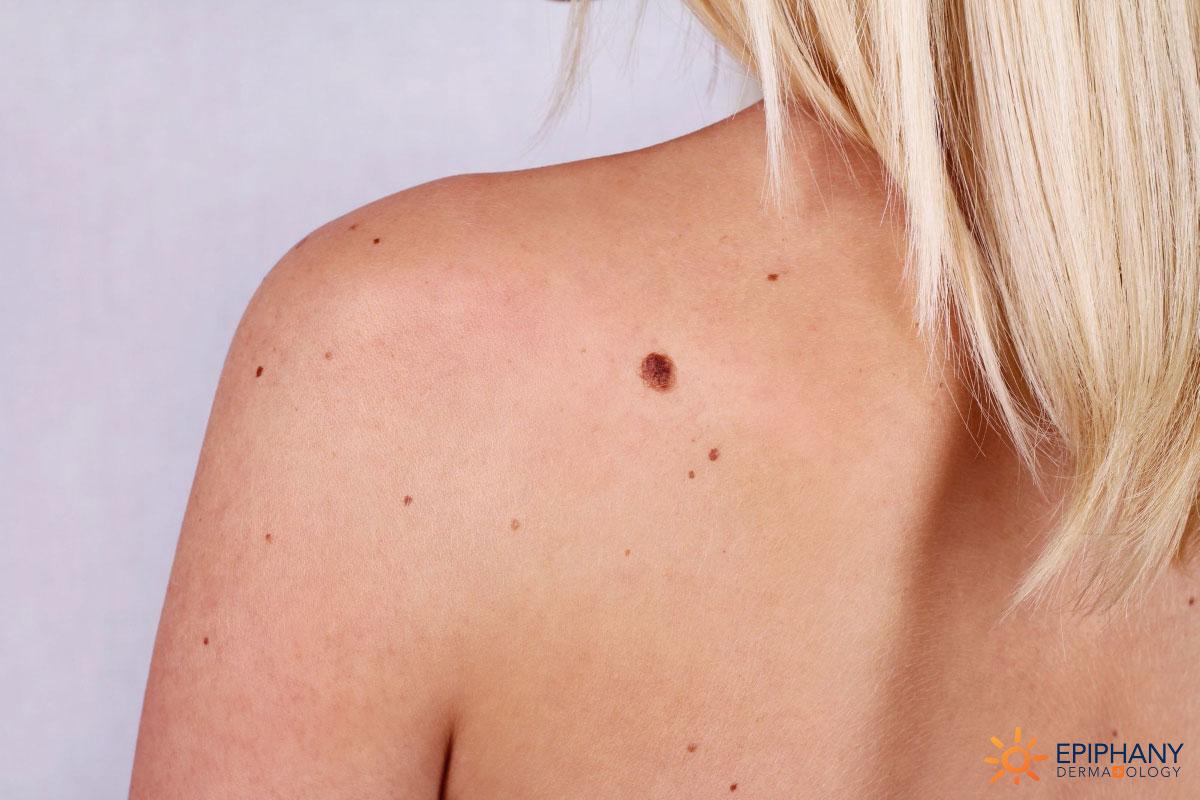
Skin tags are one of the most common benign skin growths, often developing in areas where skin rubs against skin or clothing. Though harmless, they can be cosmetically concerning or occasionally uncomfortable. Many people wonder: Are Skin Tags Contagious? This article explores expert insights from dermatology, the signs and symptoms to watch for, causes, treatments, and practical safety tips to protect your skin.
Understanding Skin Tags
Skin tags, medically known as acrochordons, are small, soft, benign growths that hang from the skin by a thin stalk. They are usually flesh-colored but can sometimes appear slightly darker than the surrounding skin.
While painless in most cases, skin tags can be irritated by friction from clothing, jewelry, or skin folds. They range in size from a few millimeters to over a centimeter and can appear singly or in clusters. Though they are not dangerous, their appearance often prompts cosmetic concerns and questions about contagion.
Common Signs and Symptoms
Recognizing skin tags is straightforward. Typical characteristics include:
-
Small, soft, flesh-colored or slightly darker growths
-
Protrusion attached by a narrow stalk
-
Common locations include the neck, underarms, eyelids, groin, and under breasts
-
Mild irritation or itching if frequently rubbed
Most skin tags do not cause pain or discomfort. However, any sudden changes in size, color, or texture should prompt medical evaluation to rule out other skin conditions.
Causes and Risk Factors
Several factors contribute to the development of skin tags:
-
Friction: Skin rubbing against skin or clothing can stimulate growth
-
Genetics: Family history increases the likelihood of skin tags
-
Age: Middle-aged and older adults are more prone
-
Hormonal changes: Pregnancy or hormonal imbalances can trigger skin tags
-
Medical conditions: Obesity, diabetes, and metabolic syndrome are linked to higher incidence
Understanding these factors is essential for managing skin tags and preventing future growth.
Are Skin Tags Contagious?
A common question is: Are Skin Tags Contagious? Dermatologists confirm that they are not. Skin tags do not result from bacterial, viral, or fungal infections, so they cannot be transmitted from one person to another.
Unlike warts, which are caused by viruses and can spread via skin contact, skin tags are overgrowths of skin tissue influenced by internal factors like friction, hormones, or genetics. While it’s easy to confuse skin tags with other lesions such as warts or moles, proper diagnosis ensures peace of mind and appropriate treatment.
Prevention and Care Guidelines
Although skin tags are not contagious, proper care can prevent irritation and reduce new growths. Tips include:
-
Maintain hygiene: Clean areas prone to friction regularly
-
Reduce friction: Wear loose-fitting clothing in high-friction areas
-
Monitor changes: Watch for changes in size, color, or discomfort
-
Avoid self-removal: Cutting or pulling skin tags at home can cause infection
Promoting overall health and wellness through a balanced diet, regular exercise, and managing underlying conditions like diabetes may also help reduce the risk of developing skin tags. Healthy skin is closely linked to overall well-being, making these habits beneficial beyond preventing skin tags.
Medical Treatment Options
If skin tags become bothersome, dermatologists offer several safe and effective removal methods:
-
Cryotherapy: Freezing the skin tag with liquid nitrogen
-
Excision: Cutting off the tag using sterile surgical instruments
-
Cauterization: Burning the skin tag to remove it
-
Ligation: Tying off the tag to cut off its blood supply, causing it to fall off
Professional removal is quick and minimally invasive, minimizing the risk of infection, scarring, or complications compared to at-home methods.
When to Seek Dermatological Advice
While skin tags are harmless, a dermatologist should be consulted if:
-
There is a sudden increase in the number or size of tags
-
Skin tags become painful, bleed, or change color
-
You are unsure if the growth is a skin tag or another type of lesion
-
Repeated irritation from clothing or jewelry occurs
Early consultation ensures accurate diagnosis, safe removal, and peace of mind.
Practical Safety Tips for Skin Tags
Managing skin tags safely involves a few key steps:
-
Avoid self-removal: DIY methods can lead to infection or scarring
-
Keep the area clean: Wash gently with mild soap and water
-
Minimize friction: Use soft clothing or protective padding
-
Monitor for changes: Check skin tags regularly for unusual growth or irritation
These precautions help protect your skin while ensuring that skin tags, which are not contagious, do not lead to unnecessary concern.
Conclusion
Skin tags are common, benign growths that are influenced by internal factors like friction, genetics, age, and medical conditions. To answer the question: Are Skin Tags Contagious — they are not. They cannot spread from person to person, unlike viral skin conditions such as warts.
Proper skin care, professional removal when necessary, and attention to overall health and wellness can help prevent irritation, minimize new growths, and maintain healthy skin. By staying informed and practicing safe management, individuals can confidently manage skin tags without fear of contagion while protecting their skin and overall well-being.
- Digital Agency
- Literie
- Location de voitures
- Restaurant
- Restaurant
- Mode
- Mode
- Information
- Marketing
- Tourisme
- Développement
- Découverte
- Législation
- Gastronomie
- Pâtisserie
- Evenement
- Art
- Causes
- Crafts
- Dance
- Drinks
- Film
- Fitness
- Food
- Jeux
- Gardening
- Health
- Domicile
- Literature
- Music
- Networking
- Autre
- Party
- Religion
- Shopping
- Sports
- Theater
- Wellness
 French
 Indian
 English
 Arabic
 Spanish
 Portuguese
 Deutsch
 Turkish
 Dutch
Dutch
 Italiano
 Russian
 Romaian
 Portuguese (Brazil)
 Greek
Greek
