


Do Water Purifiers Waste a Lot of Water? The Truth About Drinking Water Purifier Machines
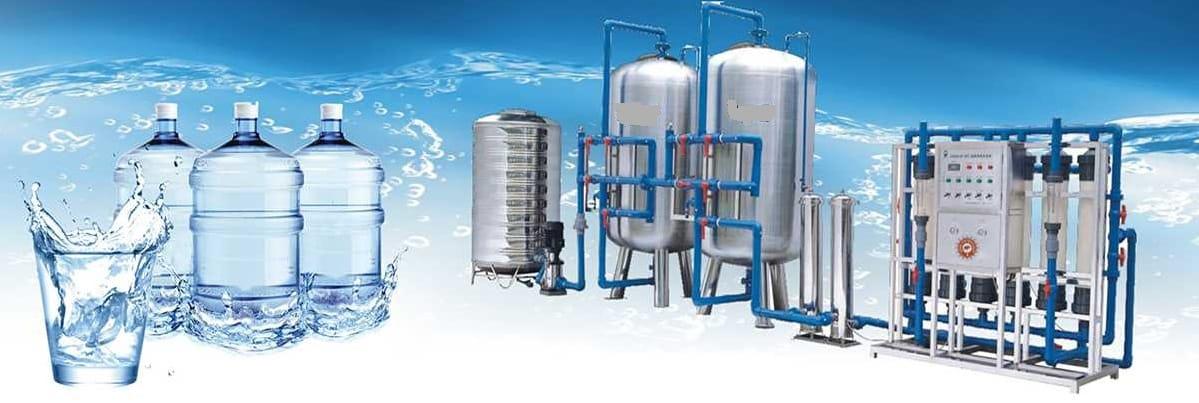
Introduction: That Little Pipe Dripping Water… Should You Be Worried?
Have you ever installed a water purifier at home, felt proud about making a healthy choice, and then noticed a steady trickle of water flowing into the drain? And suddenly a thought pops up: Is this thing wasting more water than it’s saving?
If you’ve asked yourself that, trust me, you’re not alone.
A lot of people love the safety and convenience that Drinking Water Purifier Machines provide, but quietly worry about the water they seem to “throw away.” And with water becoming more precious every year, it’s a fair concern.
So let’s talk about it honestly.
No fear-mongering. No technical overload. Just a clear, human explanation of what’s actually going on, and what you can do about it.

Why Do Some Water Purifiers Waste Water?
Here’s the thing: not all purifiers waste water. The main culprits are RO (Reverse Osmosis) purifiers.
RO technology works by pushing water through a very fine membrane that removes dissolved salts, heavy metals, and other impurities. However, as a result, some water is rejected along with those contaminants. This rejected water is what you see going down the drain.
Now, think of it like washing rice. You rinse it to remove dirt and starch. The dirty water is thrown away, but the clean rice stays. An RO purifier does something similar — just on a microscopic level.
The question isn’t whether water is wasted.
It’s how much and whether that waste is justified.
Let’s break that down.
How Much Water Is Actually Wasted?
In older RO purifiers, for every 1 liter of purified water, about 2 to 3 liters were rejected. In some cases, it even went up to 4 liters. Yes, that sounds alarming.
But there’s good news.
Modern water purifiers are far more efficient. Many newer models now have:
-
Water recovery rates of 40% to 60%
-
Smart sensors that optimize water flow
-
Technologies that reduce unnecessary flushing
This means for every 1 liter you drink, only 1 to 1.5 liters might be wasted — and even that “waste” doesn’t need to go to waste. We’ll come to that in a minute.
So, yes, there is some water wastage.
But no, it’s not as disastrous as it used to be.
Is This Water Really “Wasted” or Just Rejected?
Let’s address a big misconception.
The rejected water from an RO purifier isn’t toxic or dangerous. It simply contains concentrated minerals and impurities that were filtered out of your drinking water.
This water can still be safely used for:
-
Mopping floors
-
Cleaning utensils
-
Washing clothes
-
Gardening (for many plants)
-
Car washing
-
Flushing toilets
In other words, it doesn’t need to disappear down the drain forever.
Here’s a little trick:
You can connect the outlet pipe to a bucket or storage container and reuse that water for household chores. Many people do this and cut their actual “wastage” by more than half.
So, it’s not always water wasted.
Often, it’s just water redirected.
When Does Water Wastage Become a Genuine Problem?
Now let’s be balanced here. There are situations where water wastage becomes more concerning.
For example:
1. When Your Input Water TDS Is Already Low
If your water supply already has low TDS (Total Dissolved Solids), using an RO purifier might be unnecessary. In such cases, you’re using a heavy-duty machine for something a simpler system could handle.
And yes, that leads to avoidable wastage.
2. When Your Purifier Is Old or Poorly Maintained
Clogged membranes, worn-out filters, or outdated technology can reduce efficiency and increase rejected water. Regular servicing isn’t just good for your health — it also saves water.
3. When Water Scarcity Is Severe
In areas where water is extremely limited, even small wastage can have a bigger impact. In such cases, choosing the right type of purifier becomes even more important.
Types of Water Purifiers and Their Water Usage
Not all purifiers behave the same when it comes to water consumption.
Let’s quickly compare:
RO Water Purifiers
-
Waste some water during filtration
-
Best for high TDS and chemically contaminated water
-
Required in many urban and industrial areas
UV Water Purifiers
-
No water wastage
-
Kill bacteria and viruses using ultraviolet light
-
Don’t remove dissolved salts or heavy metals
UF (Ultra Filtration) Purifiers
-
Minimal or no water wastage
-
Work well for low TDS water
-
Don’t require electricity in some models
Choosing the right purifier for your water type can make a huge difference. Sometimes, people buy RO purifiers just because they’re popular, not because they’re needed.
And that’s where real wastage begins.
Hidden Water Wastage vs Health Protection
Here’s a thought worth sitting with.
We often worry about a few liters of rejected water, but don’t think much about:
-
Medical bills due to waterborne diseases
-
Plastic bottle usage
-
Environmental damage from packaged water
-
The cost of buying mineral water regularly
In comparison, the water rejected by a purifier usually serves a long-term health purpose. It protects you from harmful contaminants, heavy metals, and bacteria that can silently damage your body over time.
So, the real question becomes:
Would you rather waste a bit of water, or risk your family’s health?
For most people, the answer is clear.
How New-Age Drinking Water Purifier Machines Are Tackling Water Wastage
Manufacturers aren’t ignoring the water wastage issue. In fact, they’re actively working on it.
Many modern Drinking Water Purifier Machines now come with:
-
High recovery membranes
-
Water-saving modes
-
Zero-waste or low-waste technology
-
Auto-flush controls
-
Water recycling systems
Some even convert rejected water into safe-use water for washing purposes, directly through internal systems.
Technology is evolving fast. And thankfully, it’s becoming both smarter and more responsible.
Practical Tips to Reduce Water Wastage at Home
If you’re using or planning to use an RO purifier, here’s how you can make it more eco-friendly:
1. Reuse the Rejected Water
As mentioned earlier, collect it in a container and use it for cleaning, mopping, or gardening.
2. Check Your TDS Levels
If your TDS is below 300 ppm, you might not even need an RO system. A UV or UF purifier could be enough.
3. Service Your Purifier Regularly
A well-maintained purifier wastes less water and works more efficiently.
4. Choose High Recovery Models
When buying, ask about recovery rate. Aim for models with at least 50–60% recovery.
5. Avoid Over-Purification
Sometimes, more purification isn’t better. Using multiple filtration layers unnecessarily can lead to more water use.
Small changes like these can make a surprisingly big difference.
The Psychological Side: Why This Worry Feels Bigger Than It Is
Believe it or not, we humans tend to focus more on what we see.
You actually see the rejected water pipe draining, so it feels like a bigger problem. But you don’t see:
-
The bacteria being removed
-
The heavy metals being filtered out
-
The future health issues you’re avoiding
So your brain goes, “Look at all that water going to waste!”
While quietly ignoring all the unseen benefits.
It’s normal.
But once you understand the trade-off, the picture becomes much clearer.
Don't forget to check : Maintenance and Support Tips for Perkins Diesel Generators in UAE
Frequently Asked Questions (FAQs)
Do all water purifiers waste water?
No, only RO-based water purifiers typically waste water. UV and UF purifiers don’t waste water because they don’t reject it during filtration.
Is RO water wastage environmentally harmful?
It can be if the rejected water isn’t reused. But if you collect and repurpose it for cleaning or gardening, the environmental impact reduces significantly.
Can I completely stop my RO purifier from wasting water?
Not completely, because the rejection process is essential to remove contaminants. However, you can reduce it by using high-efficiency models and proper reuse methods.
How do I know if I really need an RO purifier?
You should check your water’s TDS level and contamination type. If TDS is low and there are no heavy metals, a UV or UF purifier might be enough.
Does water wastage increase if filters aren’t changed on time?
Yes, clogged filters can reduce efficiency and lead to more water rejection. Regular maintenance helps conserve water.
Conclusion: Is the Water Wastage Really Worth Losing Sleep Over?
Here’s the simple truth:
Water purifiers do reject some water, especially RO-based ones. But with today’s advanced Drinking Water Purifier Machines, that loss is far less than it used to be — and often, it’s recoverable.
More importantly, the health and safety they bring into your home usually outweigh the drawback, especially if your water supply is chemically or biologically unsafe.
And when you start reusing that rejected water smartly, you’re not just purifying water — you’re using it responsibly too.
So instead of stressing over a dripping pipe, take control of it.
Collect it. Reuse it. Understand it.
And that’s how you turn a “waste” into a wise choice. 💧
- Digital Agency
- Literie
- Location de voitures
- Restaurant
- Restaurant
- Mode
- Mode
- Information
- Marketing
- Tourisme
- Développement
- Découverte
- Législation
- Gastronomie
- Pâtisserie
- Evento
- Art
- Causes
- Crafts
- Dance
- Drinks
- Film
- Fitness
- Food
- Jogos
- Gardening
- Health
- Início
- Literature
- Music
- Networking
- Outro
- Party
- Religion
- Shopping
- Sports
- Theater
- Wellness
 Portuguese
 Indian
 English
 French
 Arabic
 Spanish
 Deutsch
 Turkish
 Dutch
Dutch
 Italiano
 Russian
 Romaian
 Portuguese (Brazil)
 Greek
Greek
