


How Does a VRV Air Conditioning System Work?
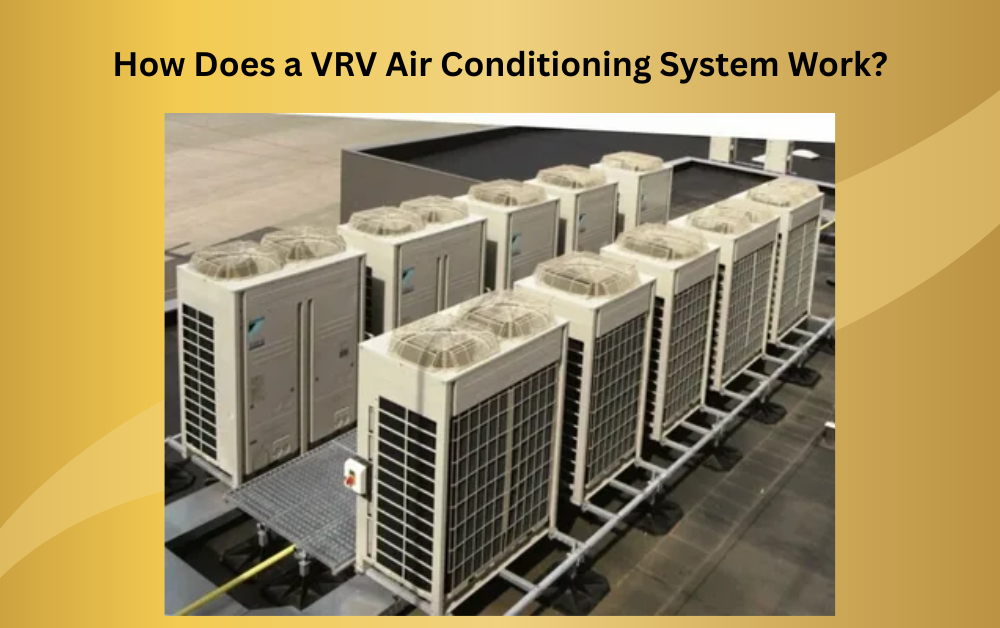
Maintaining a comfortable indoor environment is essential for both residential and commercial buildings. Traditional air conditioning systems can be energy-intensive and sometimes inefficient, especially in large or multi-zone buildings. A VRV (Variable Refrigerant Volume) air conditioning system, also known as a VRF (Variable Refrigerant Flow) system, offers an advanced solution. VRV systems provide precise temperature control, energy efficiency, and flexibility for a variety of building sizes.
In this blog, we will explain how a VRV air conditioning system works, its components, benefits, and why it is becoming a preferred choice for modern buildings.
Understanding the Basics of VRV Air Conditioning Systems

A VRV air conditioning system uses refrigerant as the cooling and heating medium. Unlike traditional systems that control temperature for a single zone, VRV systems can adjust the flow of refrigerant to multiple indoor units. This allows for independent temperature control in different rooms or zones.
Variable Refrigerant Volume Technology
-
VRV systems adjust the volume of refrigerant based on the cooling or heating demand.
-
This means each zone receives only the necessary amount of cooling or heating.
-
Reduces energy wastage and improves comfort across multiple spaces.
Multi-Zone Control
-
Each indoor unit can be controlled independently.
-
Ideal for buildings with varied occupancy and usage patterns.
-
Enhances comfort by allowing different temperatures in different areas.
Key Components of a VRV System
Understanding the components of a VRV system helps explain how it works effectively.
Outdoor Unit
-
The outdoor unit contains the compressor, which circulates refrigerant through the system.
-
It adjusts the flow of refrigerant based on the building’s cooling or heating needs.
-
Modern outdoor units are designed for energy efficiency and quiet operation.
Indoor Units
-
Indoor units are installed in different rooms or zones.
-
Types include wall-mounted, ceiling-mounted, ducted, or cassette units.
-
Each indoor unit can be controlled independently for temperature and airflow.
Refrigerant Piping Network
-
Connects the outdoor and indoor units.
-
Distributes refrigerant based on demand in each zone.
-
Allows simultaneous heating and cooling in different areas if needed.
Control System
-
A central controller or multiple controllers manage the system.
-
Enables scheduling, temperature adjustments, and monitoring.
-
Advanced controllers can integrate with smart building management systems.
How VRV Systems Regulate Temperature
VRV systems maintain precise temperature control through advanced technology.
Compressor Operation
-
The system uses an inverter-driven compressor that adjusts speed based on demand.
-
Reduces energy consumption compared to fixed-speed compressors.
-
Maintains consistent temperatures without frequent on/off cycling.
Refrigerant Flow Adjustment
-
VRV systems vary the refrigerant flow to each indoor unit.
-
Provides the exact amount of cooling or heating required in each zone.
-
Ensures efficiency even in buildings with changing occupancy levels.
Zone-by-Zone Control
-
Each indoor unit operates independently.
-
Occupied areas can be cooled or heated while unoccupied areas remain idle.
-
This flexibility saves energy and provides personalized comfort.
Energy Efficiency of VRV Systems
VRV air conditioning systems are designed to optimize energy usage while maintaining comfort.
Inverter Technology
-
Inverter compressors adjust output gradually instead of running at full power all the time.
-
Reduces electricity consumption and prevents energy spikes.
Simultaneous Heating and Cooling
-
Some VRV systems can heat one zone while cooling another.
-
Ideal for large buildings with varying temperature requirements.
-
Enhances overall system efficiency and reduces waste.
Reduced Load on Outdoor Units
-
By regulating refrigerant flow and using advanced controls, outdoor units operate more efficiently.
-
Prevents unnecessary wear and prolongs system life.
Installation Flexibility
VRV systems offer flexible installation options that make them suitable for both new and existing buildings.
Multiple Indoor Unit Options
-
Indoor units come in various styles to match interior design and space requirements.
-
Wall-mounted, ceiling cassette, and ducted options allow easy integration.
Long Piping Lengths
-
VRV systems can support long refrigerant piping, connecting multiple floors or large buildings.
-
Provides the ability to design efficient systems without major structural changes.
Minimal Space Requirements
-
Compact outdoor units require less space compared to traditional systems.
-
Reduces impact on rooftops and building exteriors.
Maintenance and Longevity
Proper maintenance ensures that VRV systems remain efficient and reliable over time.
Ease of Maintenance
-
Components are accessible for regular inspections and servicing.
-
Filters, refrigerant levels, and controllers are easy to check and clean.
Reduced Wear and Tear
-
Inverter-driven compressors reduce mechanical stress.
-
Lower operating pressure and optimized refrigerant flow extend system life.
Regular Monitoring
-
Advanced controllers allow real-time monitoring of system performance.
-
Early detection of issues prevents costly breakdowns and improves reliability.
Applications of VRV Air Conditioning Systems
VRV systems are suitable for a wide range of applications due to their flexibility and efficiency.
Residential Buildings
-
Provides individual comfort in apartments and villas.
-
Ideal for multi-room homes where different family members have different preferences.
Commercial Buildings
-
Offices, hotels, hospitals, and shopping malls benefit from zone-by-zone control.
-
Reduces energy bills and enhances occupant comfort.
Mixed-Use Buildings
-
VRV systems support simultaneous heating and cooling in different zones.
-
Perfect for buildings with diverse requirements across floors or sections.
Conclusion: Why VRV Air Conditioning Systems Are a Smart Choice
A VRV air conditioning system offers advanced technology, flexibility, and energy efficiency. By adjusting refrigerant flow based on demand, VRV systems provide precise temperature control, reduce energy consumption, and allow personalized comfort for each zone.
Key benefits include:
-
Multi-zone control with independent temperature settings
-
Energy savings through inverter technology and optimized refrigerant flow
-
Flexible installation options for various building types
-
Improved indoor air quality and comfort
-
Longevity and reduced maintenance costs
For homeowners and building managers seeking modern, efficient, and adaptable cooling and heating solutions, VRV air conditioning systems are an ideal choice. Understanding how VRV systems work helps you make informed decisions when planning your next HVAC project.
For more insightful articles related to this topic, feel free to visit : sngine.fr
- Digital Agency
- Literie
- Location de voitures
- Restaurant
- Restaurant
- Mode
- Mode
- Information
- Marketing
- Tourisme
- Développement
- Découverte
- Législation
- Gastronomie
- Pâtisserie
- Evento
- Art
- Causes
- Crafts
- Dance
- Drinks
- Film
- Fitness
- Food
- Giochi
- Gardening
- Health
- Home
- Literature
- Music
- Networking
- Altre informazioni
- Party
- Religion
- Shopping
- Sports
- Theater
- Wellness
 Italiano
 Indian
 English
 French
 Arabic
 Spanish
 Portuguese
 Deutsch
 Turkish
 Dutch
Dutch
 Russian
 Romaian
 Portuguese (Brazil)
 Greek
Greek
