


What Are the Key Steps Involved in Manual Metal Arc Welding?
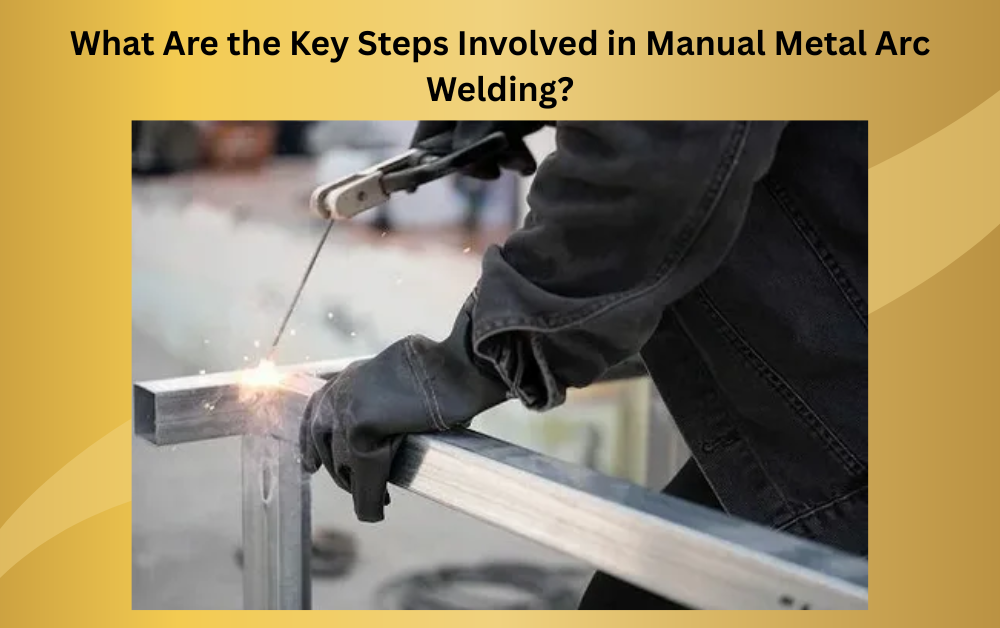
Manual Metal Arc Welding, often called MMAW or stick welding, is one of the most trusted welding methods used around the world. It is known for its strength, flexibility, and ability to work smoothly even in tough outdoor conditions. Whether it is construction, repair work, shipbuilding, manufacturing, or heavy steel fabrication, this welding method plays a major role in many industries. But for someone new to welding, it can be confusing to understand the complete process from start to end.
In this detailed and easy-to-understand blog, you will learn the key steps involved in Manual Metal Arc Welding, what tools are needed, how the process works, and what things you should take care of for safe and clean welds. The aim is to keep the language simple so everyone, from beginners to learners, can read with comfort.
Understanding Manual Metal Arc Welding in Simple Words

Before learning the steps, it is important to understand what MMAW actually means. In simple words, MMAW is a welding method where an electric arc is created between a metal rod (called an electrode) and the metal you want to join. The rod melts and mixes with the metal surface to form a strong joint. The electrode is coated with a special material that burns and forms a protective layer, keeping the molten metal safe from air and dust. This helps in creating a clean and strong weld.
Unlike other welding methods that require machines like gas cylinders or complex wires, MMAW is simple, portable, and works great for outdoor conditions where wind or dust may disturb other welding methods.
Key Steps Involved in Manual Metal Arc Welding
Below are the most important steps that every welder follows while doing MMAW. Each step plays an important role in creating a clean, strong, and long-lasting weld.
Preparing the Metal for Welding
Removing Dust, Rust, and Dirt
The first and most important step is cleaning the metal. If the surface is dirty, rusted, or oily, the weld will not hold properly. A welder usually cleans the metal using a wire brush, grinder, or sandpaper. A clean surface helps the arc burn smoothly and creates a strong bond between the metals.
Checking the Shape and Edges
If the metal pieces need to be joined at a specific angle, the welder must ensure that the shape and edges are correct. If the edges are too rough or uneven, the welder may use grinding tools to make them smooth. This prevents gaps and helps the weld settle perfectly.
Setting Up the Welding Machine
Choosing the Right Electrode
Different jobs need different types of electrodes. Some electrodes are designed for soft steel, while others are meant for harder metals. The welder picks the correct electrode based on metal type, thickness, and project need. Using the wrong electrode can cause weak welds or damage the metal.
Adjusting the Current Level
The welding machine needs to be set at the right current level. If the current is too high, the electrode may burn too fast and damage the metal. If the current is too low, the arc may not form properly. Choosing the right current depends on the electrode size and metal thickness. A well-adjusted current creates steady sparks and smooth welds.
Connecting the Power Cables
The welder connects the machine cables correctly—one cable goes to the electrode holder and the other to the metal surface. A strong and clean connection ensures smooth electricity flow. Poor connection can make the arc unstable and create low-quality welds.
Striking the Arc
Striking the arc is the moment when the welding rod touches the metal and creates sparks. There are two simple ways:
Scratch Method
The welder lightly scratches the electrode on the metal surface, just like striking a matchstick. When sparks appear, the welder lifts it slightly to form a stable arc.
Tap Method
The welder lightly taps the electrode on the metal and lifts it immediately. This creates an electric arc that is ready for welding.
Learning to strike the arc smoothly takes practice. If the welder holds the electrode too far, the arc breaks. If held too close, the electrode may stick to the metal.
Maintaining a Steady Arc
Once the arc is created, the welder must maintain a steady distance between the rod and the metal. A distance that is too large creates weak sparks and an uneven weld. A distance too small may cause the rod to stick. A steady arc ensures the metal melts at the right speed and the weld fills in smoothly.
Creating the Weld Bead
Moving the Electrode in a Controlled Manner
The welder moves the electrode forward at a slow and steady speed. The movement should not be too fast or too slow. If it is too fast, the weld becomes thin and weak. If it is too slow, too much metal melts, creating a large and messy weld.
Choosing the Right Welding Pattern
Welders use small movements such as circles, zigzags, or small side-to-side motions depending on the job. These movements help spread the molten metal evenly. A good welding pattern creates a clean and strong weld bead without cracks or gaps.
Watching the Molten Pool
During welding, a small pool of melted metal forms under the electrode. The welder must watch this molten pool carefully to ensure it spreads evenly. If the pool becomes too large or uneven, the welder adjusts speed and angle to correct the weld.
Removing Slag After Each Pass
After welding a section, the electrode coating leaves behind a layer called slag. This slag must be removed using a hammer and wire brush. If slag is not removed, the next weld layer will not stick properly. Clean welding between layers ensures the final joint is strong and smooth.
Checking the Weld Quality
Looking for Cracks and Holes
Once the weld is complete, the welder checks for cracks, holes, or weak spots. If any issues are found, the welder repairs them immediately.
Ensuring Proper Shape
A good weld has a smooth and even surface. Uneven welds may need grinding or additional welding.
Checking Strength
In some cases, especially in construction or heavy steel work, the weld may need testing to ensure it is strong enough for load and pressure. Strong welds help guarantee the safety and long life of the project.
Safety Steps Every Welder Should Follow
Wearing Proper Gear
Welders must wear gloves, helmets with dark visor glass, full-sleeve clothing, and safety boots. These items protect the body from sparks, heat, and harmful light.
Keeping the Workplace Clean
The welding area should be free of flammable items, loose wires, or clutter. A clean workplace helps prevent accidents and fires.
Avoiding Eye Exposure
The light from the welding arc is extremely harmful to human eyes. Welders must ensure no one stares directly at the sparks without protective glasses.
Final Thoughts
Manual Metal Arc Welding is a powerful, trusted, and widely used welding method. Understanding its key steps helps you appreciate the skill and care involved in creating a strong metal joint. From preparing the surface to striking the arc, maintaining a steady hand, cleaning the slag, and checking the weld quality, every step has an important role.
With patience and proper training, anyone can learn MMAW and use it for repairs, construction work, or industrial projects. This method shows how simple tools, correct technique, and careful attention can turn raw metal into a strong and reliable structure.
For more insightful articles related to this topic, feel free to visit : sngine.fr
- Digital Agency
- Literie
- Location de voitures
- Restaurant
- Restaurant
- Mode
- Mode
- Information
- Marketing
- Tourisme
- Développement
- Découverte
- Législation
- Gastronomie
- Pâtisserie
- Event
- Art
- Causes
- Crafts
- Dance
- Drinks
- Film
- Fitness
- Food
- Games
- Gardening
- Health
- Home
- Literature
- Music
- Networking
- Other
- Party
- Religion
- Shopping
- Sports
- Theater
- Wellness
 English
 Indian
 French
 Arabic
 Spanish
 Portuguese
 Deutsch
 Turkish
 Dutch
Dutch
 Italiano
 Russian
 Romaian
 Portuguese (Brazil)
 Greek
Greek
