


What Role Does Technology Play in Dental Chair Design?
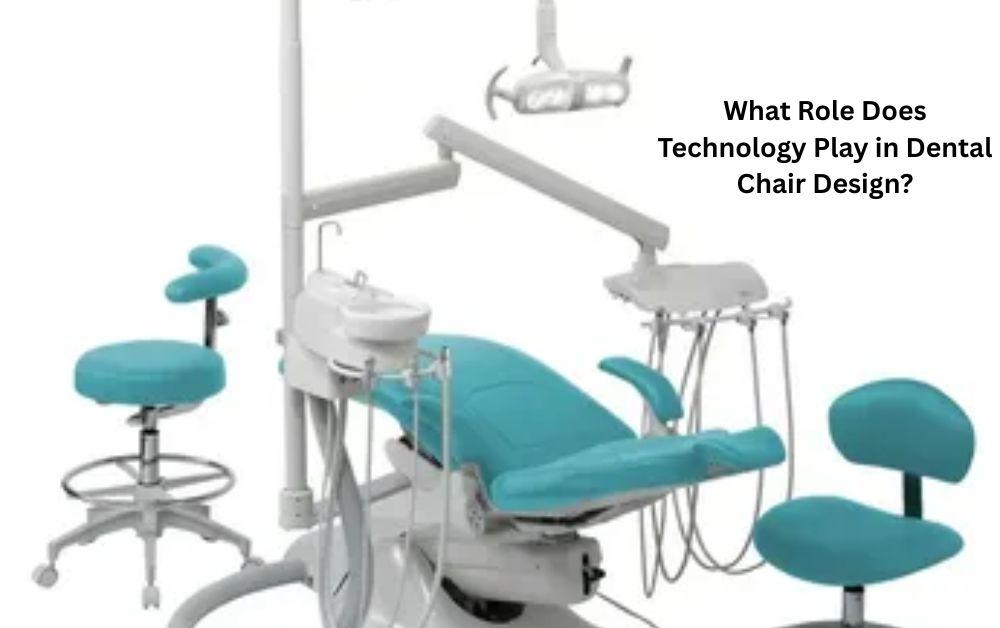
Dental chairs are no longer just seats for patients during dental treatments. Today, they incorporate advanced technology to improve comfort, safety, and efficiency for both patients and dental professionals. Technology plays a major role in modern dental chair design, transforming them into smart, ergonomic, and interactive devices that enhance dental care quality. This blog explores how technology shapes dental chair design in 2025, covering key innovations, benefits, and the impact on clinics and patients.
The Evolution of Dental Chair Technology
Dental chairs have evolved from simple mechanical furniture to sophisticated, technology-integrated systems. Innovations include:
- Artificial intelligence for adjustment and posture optimization
- Digital connectivity with scanners and imaging devices
- Ergonomics designed to reduce practitioner strain
- Predictive maintenance using IoT sensors
- Sustainability in manufacturing and energy use
These advancements reflect dentistry's goal to provide safer, faster, and more comfortable treatments while improving practitioner health and workflow.
Early Mechanical to Smart Systems
Initially, dental chairs were manually operated with limited adjustment options. With technology, electric motors replaced manual levers, and today dental chairs offer programmable memory settings and AI-powered micro-adjustments for precision patient positioning.
Artificial Intelligence: Personalizing Patient Comfort and Care
Heart of modern dental chairs’ technology is artificial intelligence (AI).
- AI-driven adjustments: Sensors monitor patient body metrics in real time and automatically adjust lumbar support, leg rests, and backrest angles to minimize discomfort and ensure optimal access for dentists.
- Memory function: The chair remembers patient-specific positions for quick, consistent setups in follow-up visits.
- Posture optimization: AI detects subtle patient movements and fine-tunes chair position to maintain comfort and suitable dental access throughout procedures.
These AI features reduce the need for manual repositioning, shorten appointment times, and enhance the treatment experience.
Digital Integration: Connecting Dental Technologies

Modern dental chairs serve as hubs for digital dentistry tools.
- Intraoral scanners and cameras mount directly onto chairs, reducing patient transfers and speeding up diagnostics.
- Digital imaging systems (CBCT scanners) connect to the chair, integrating radiographic data for thorough assessment.
- Practice management software syncs with chair controls to automate clinical records and treatment planning.
- 5G and Bluetooth connectivity allow for remote monitoring, tele-dentistry, and predictive maintenance.
By linking all these technologies, dental chairs streamline workflows, making dental care more precise and efficient.
Ergonomic Design Enhanced by Technology
Ergonomics is crucial for reducing fatigue and injury in dental professionals who perform precise work.
- Advanced headrests with dual articulation allow perfect head positioning.
- Contoured backrests provide patient support and maintain accessibility from multiple angles.
- Motorized height and tilt adjustments support proper posture for dentists.
Technology-driven ergonomic designs reduce chronic issues in dentists like back and neck pain, improving career longevity and daily productivity.
Predictive Maintenance: Minimizing Downtime
Technological sensors embedded in dental chairs monitor:
- Hydraulic pressure
- Motor temperature
- Joint resistance
These data points are analyzed by machine learning algorithms to predict potential mechanical faults before failure. This proactive maintenance means less disruption, fewer emergency repairs, and lower costs.
Sustainability and Energy Efficiency
Modern technology also helps make dental chairs eco-friendly
- Use of energy-efficient motors and materials
- Sustainable manufacturing processes
- Energy-saving standby modes
This reduces carbon footprint while maintaining high performance and durability.
Future Technologies Shaping Dental Chair Design
Looking ahead, emerging technologies could include:
- Semi-autonomous or fully AI-powered robotic dental chairs
- Augmented reality (AR) overlays providing real-time treatment guidance
- Enhanced biometric and health monitoring systems
- Adaptive lighting integrated with treatment plans
These developments will further improve precision, comfort, and accessibility in dental practices.
Benefits of Technology-Driven Dental Chairs
- Patient comfort: Personalized, stable, and supported positioning reduces anxiety and physical strain.
- Operator efficiency: Ergonomic designs and AI assistance help dentists maintain natural posture and optimize treatment speed.
- Clinical accuracy: Digital integration allows access to comprehensive diagnostic data during procedures.
- Safety: Real-time monitoring enhances patient safety throughout treatments.
- Practice workflow: Automated and connected systems minimize administrative tasks and equipment downtime.
Conclusion: Technology Is the Heart of Modern Dental Chairs
Technology plays a transformative role in dental chair design, turning traditional seating into intelligent, efficient treatment centers. AI, digital connectivity, ergonomic enhancements, predictive maintenance, and sustainability combine to support better patient care and dental professional health. For dental clinics, investing in advanced technology dental chairs means delivering superior service, improving outcomes, and staying ahead in a competitive healthcare market.
Embracing these Paramount Medical Equipment Trading LLC advancements leads to a future where dental chairs are not just furniture but vital tools for modern dentistry.
For more insightful articles related to this topic, feel free to visit sngine
- Digital Agency
- Literie
- Location de voitures
- Restaurant
- Restaurant
- Mode
- Mode
- Information
- Marketing
- Tourisme
- Développement
- Découverte
- Législation
- Gastronomie
- Pâtisserie
- Eveniment
- Art
- Causes
- Crafts
- Dance
- Drinks
- Film
- Fitness
- Food
- Jocuri
- Gardening
- Health
- Acasă
- Literature
- Music
- Networking
- Alte
- Party
- Religion
- Shopping
- Sports
- Theater
- Wellness
 Romaian
 Indian
 English
 French
 Arabic
 Spanish
 Portuguese
 Deutsch
 Turkish
 Dutch
Dutch
 Italiano
 Russian
 Portuguese (Brazil)
 Greek
Greek
