


How Much Does a Residential Elevator Cost to Install?
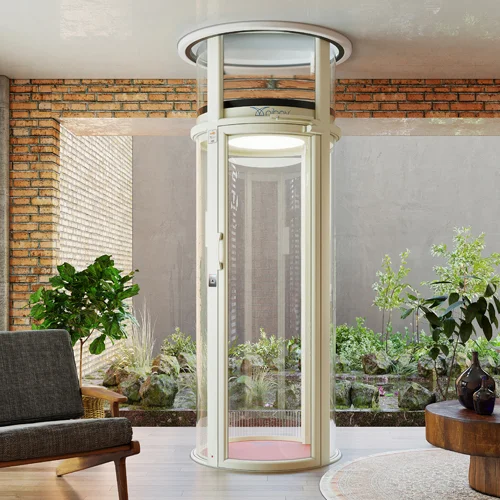
Residential elevators are no longer a luxury limited to high-end mansions. Modern homeowners across the world are installing elevators for comfort, accessibility, future-proofing, and increased property value. The cost of installing a residential elevator typically falls between $50,600 and $103,600, depending on the system, number of floors, and structural requirements. Pneumatic elevators have become the top choice for existing homes due to their minimal construction, fast installation, and low maintenance. This expanded guide explains installation costs, factors that influence pricing, long-term ownership value, and why pneumatic elevators—like those from Nibav Home Lifts—are shaping the future of home mobility.
How Much Does a Residential Elevator Cost to Install?
The modern home is changing. Multi-story living has become more common, and homeowners now expect mobility and convenience that support all stages of life. Installing a residential elevator is no longer a statement of luxury—it is an investment in safety, dignity, and independence.
While prices vary based on custom needs, homeowners generally spend between:
$50,600 and $103,600 for complete installation
This cost reflects:
-
Elevator equipment
-
Delivery
-
Home preparation
-
Labor
-
Engineering and safety compliance
-
Final commissioning
Those considering installation often ask, “Is it worth it?” Increasingly, the answer is yes. Residential elevators can transform a home, improve accessibility, boost resale value, and offer stress-free movement for decades.
Why Home Elevators Are Gaining Popularity
Until recently, many homeowners considered elevators optional or extravagant. Today, their demand is driven by real lifestyle needs:
Aging in place
More people want to live independently and stay in their homes longer.
Medical or physical limitations
Mobility challenges from age, injuries, surgeries, chronic illness, or disabilities make stairs difficult or dangerous.
Greater convenience
Carrying groceries, luggage, laundry, or even children up and down stairs becomes easier and safer with an elevator.
Modern home design
Architects now integrate elevators as standard in multi-story homes, just as HVAC, large kitchens, or home theaters are now common.
Property value
Homes equipped with elevators appeal to a wider buyer market and can sell faster at higher prices.
In short, residential elevators provide long-term livability that stairs often cannot.
Understanding Residential Elevators
A residential elevator provides vertical movement between floors inside a home. Unlike commercial elevators, these systems are compact, energy-efficient, and designed for easy integration into house interiors.
Home elevators can be:
-
Installed in new construction, or
-
Retrofitted into existing homes
Depending on the chosen system, installation may involve minimal construction—or require significant structural work.
Why Pneumatic Elevators Are Changing the Industry
Among the elevator technologies available today, pneumatic elevators are experiencing explosive market growth. They use air pressure and vacuum force to lift the cabin, creating a smooth ride without pulleys, chains, or hydraulic fluids.
Top advantages of pneumatic elevators
-
No deep pit, shaft excavation, or machine room
-
Minimal modifications to existing walls or foundation
-
Typically installed in one to three days
-
Low power consumption
-
Modern panoramic cylinder design
-
Low noise and low maintenance
-
Space-efficient footprint
This means homeowners avoid months of construction, dust, demolition, and engineering headaches.
Homeowners in finished properties often choose pneumatic elevators simply because they are the easiest to install without interrupting daily life.
What Influences Residential Elevator Pricing?
Installation costs vary for several reasons. Understanding them helps homeowners plan accurately and avoid surprises.
1. Elevator type
Pneumatic systems generally cost less to install because they do not require heavy civil construction. Hydraulic and traction elevators involve more engineering, which increases cost.
2. Number of floors
The more floors an elevator travels, the more equipment and construction are required. Adding stops, controls, and materials increases the project cost.
3. Structural preparation
Traditional systems may require:
-
Excavating a pit
-
Reinforcing walls
-
Building a machine room
-
Electrical upgrades
Pneumatic systems can be installed directly on existing finished floors.
4. Custom finishes
Home elevators can include:
-
Designer lighting
-
Automatic doors
-
Stainless or brushed metal finishes
-
Premium glass
-
Touchscreen panels
-
Decorative ceiling and wall panels
These enhance visual appeal and luxury but raise the investment.
5. Labor and location
Installation cost varies by:
-
City or region
-
Local building codes
-
Labor rates
-
Permitting requirements
6. Brand engineering and safety
Top-tier manufacturers adhere to higher standards, which results in:
-
Better safety
-
Higher durability
-
Smoother operation
-
Longer warranties
-
Improved resale value
These premiums ensure reliability and peace of mind.
Pneumatic vs Hydraulic Elevators: Which Is Better for Homes?
Hydraulic elevators have been used for decades and rely on a piston-and-cylinder system that pushes the elevator car upward. While reliable, they require more building modifications and ongoing maintenance, including hydraulic fluid replacement.
Pneumatic elevators have modernized home mobility by removing:
-
Oil-based systems
-
Complex mechanical components
-
Deep foundation work
-
Large control rooms
Homeowners are choosing pneumatic models because they are:
-
Quicker to install
-
Easier to maintain
-
More visually appealing
-
Designed for smaller footprints
-
More energy efficient
Their transparent cylindrical design has also made them an architectural highlight rather than a hidden machinery space.
Installation Timeline: What Homeowners Should Expect
Installation time varies dramatically between elevator types:
Pneumatic elevators
Often installed in one to three days, including setup and system testing. Minimal disruption means families continue living normally in the home.
Hydraulic elevators
May require weeks of preparation, including:
-
Pit creation
-
Foundation reinforcement
-
Machine room construction
-
Extended electrical setup
During this time, parts of the home may be temporarily unusable.
Maintenance and Long-Term Costs
Many homeowners overlook the lifetime cost of owning an elevator. It is smart to compare not just installation, but years of operation.
Pneumatic elevators
These require fewer mechanical components and no hydraulic fluids. Maintenance usually involves basic inspections and cleaning, keeping lifetime ownership costs low.
Hydraulic elevators
These need:
-
Oil checks and replacements
-
Pressure system maintenance
-
Seal replacements
-
Higher wear-and-tear servicing
Over time, this raises total operating costs significantly.
How Residential Elevators Improve Property Value
An elevator is an investment that benefits home resale through:
-
Expanded buyer interest
-
Appeal to aging buyers and families with medical needs
-
Perception of premium living
-
Enhanced convenience
-
Long-term usability
Real estate trends show that homes with elevators often sell faster because they eliminate a major barrier for buyers who dislike multi-story layouts.
Who Should Consider Installing a Home Elevator?
Residential elevators are ideal for:
-
Seniors who want to avoid relocation
-
People with injuries, surgeries, arthritis, or limited mobility
-
Families building multi-level dream homes
-
Homeowners future-proofing aging-in-place living
-
Buyers seeking lifestyle convenience
In many cases, the cost of an elevator is less than the cost of moving to a new single-story home just to avoid stairs.
Nibav Home Lifts
Nibav Home Lifts is a global leader in innovative pneumatic home elevators. Their elevators are designed to operate with:
-
Minimal civil work
-
Quick installation timelines
-
Modern aesthetics
-
High safety certifications
-
Eco-friendly power consumption
Nibav elevators have transformed the category, making home mobility stylish, affordable, and effortless.
- Digital Agency
- Literie
- Location de voitures
- Restaurant
- Restaurant
- Mode
- Mode
- Information
- Marketing
- Tourisme
- Développement
- Découverte
- Législation
- Gastronomie
- Pâtisserie
- Мероприятие
- Art
- Causes
- Crafts
- Dance
- Drinks
- Film
- Fitness
- Food
- Игры
- Gardening
- Health
- Главная
- Literature
- Music
- Networking
- Другое
- Party
- Religion
- Shopping
- Sports
- Theater
- Wellness
 Russian
 Indian
 English
 French
 Arabic
 Spanish
 Portuguese
 Deutsch
 Turkish
 Dutch
Dutch
 Italiano
 Romaian
 Portuguese (Brazil)
 Greek
Greek
