Experiencing tooth sensitivity after a filling is more common than many patients realize, and it can occur for several reasons depending on the size of the cavity, the type of material used, and how the tooth responds to treatment. While the discomfort is usually temporary, understanding its causes can provide reassurance and help you manage symptoms more effectively. Patients who opt for a Dental Tooth Filling in Dubai often benefit from advanced materials and modern techniques that minimize sensitivity, but it is still useful to know what to expect during the healing period.
Normal Sensitivity vs. Concerning Symptoms:
It’s important to distinguish between normal post-filling sensitivity and symptoms that indicate a possible problem requiring dental attention, allowing patients to respond appropriately. • Mild temperature sensitivity is normal for a few days to a few weeks • Sharp pain when biting may indicate bite misalignment • Persistent throbbing discomfort could suggest deeper nerve irritation • A dentist should evaluate any symptom that worsens instead of improving
Causes Related to the Filling Material:
Different filling materials interact uniquely with the tooth, and some are more likely to cause temporary sensitivity due to their chemical properties or bonding processes. • Composite fillings may shrink slightly as they cure, creating pressure • Metal fillings conduct temperature more rapidly, increasing sensitivity • Glass ionomer fillings release fluoride but may feel sensitive at first • Material choice often depends on cavity size and tooth location
Bite Misalignment After the Procedure:
If the filling is even slightly too high, it can disrupt the natural bite and place excess pressure on the tooth, leading to sensitivity or pain during chewing. • Height discrepancies can create uneven force distribution • Over time, this pressure irritates the surrounding ligaments • Patients may notice pain only when biting down on certain foods • A simple bite adjustment by the dentist often solves the issue quickly
Deep Cavities and Nerve Irritation:
When decay is close to the nerve, the tooth may experience heightened sensitivity even if the filling is performed correctly, as the inner tissues require time to recover. • Deeper fillings have a higher chance of nerve inflammation • Sensitivity may linger longer but usually improves naturally • Severe decay increases the risk of needing additional treatment later • Dentists often monitor such teeth closely during follow-up visits
Temperature Sensitivity From Dental Tools:
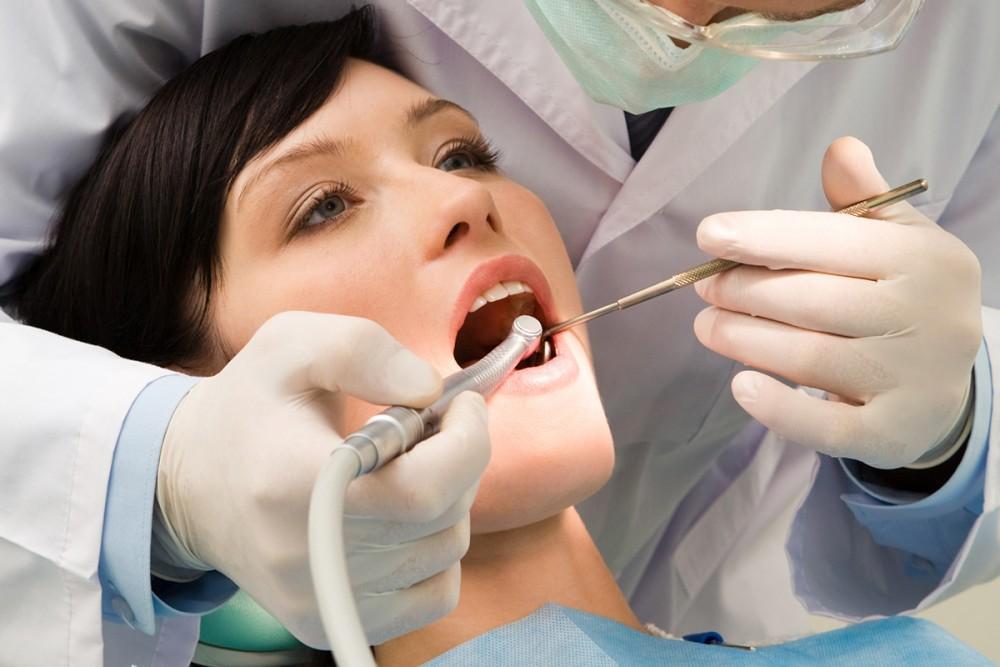
The heat generated from drilling and polishing tools during the filling procedure can irritate the tooth temporarily, especially if the enamel was already thin from decay. • High-speed instruments may slightly warm the tooth surface • This heat can irritate the inner dentin layer, causing temporary reactions • Sensitivity reduces as the tooth heals and inflammation subsides • Cooling sprays help minimize temperature impact during treatment
Gum Recession and Exposed Tooth Roots:
Sometimes sensitivity after a filling is not caused by the filling itself but by pre-existing gum recession that exposes the roots, which are naturally more sensitive. • Exposed root surfaces lack protective enamel • Filling-related pressure may worsen existing root sensitivity • Using sensitivity toothpaste can significantly reduce discomfort • Treating gum recession may be necessary in severe cases
How to Manage Sensitivity at Home:
Most post-filling sensitivity can be controlled with simple at-home remedies that soothe the tooth and support healing without the need for additional treatment. • Use desensitizing toothpaste containing potassium nitrate • Avoid extremely hot or cold foods for several days • Chew on the opposite side of the mouth until symptoms improve • Rinse with warm salt water to reduce inflammation and discomfort
When to Contact Your Dentist:
Although sensitivity after a filling is usually normal, certain symptoms signal that the tooth may need further evaluation to prevent complications. • Sensitivity lasting longer than three weeks may require follow-up • Severe pain when biting can indicate high filling placement • Visible cracks or gaps around the filling should be assessed quickly • Persistent throbbing may indicate nerve damage requiring treatment
Long-Term Prevention Tips:
Taking preventive measures can help reduce the chances of experiencing sensitivity after future fillings and improve overall oral health. • Maintain consistent brushing and flossing habits to prevent deep decay • Schedule regular dental cleanings to remove plaque and tartar • Address grinding habits with a night guard to protect restorations • Choose dental clinics that use advanced, minimally invasive techniques
Final Thoughts:
Tooth sensitivity after a filling is often a normal part of the healing process, but understanding its causes helps ease concerns and promotes better care. Whether the discomfort stems from deep decay, filling material properties, or minor bite misalignment, the majority of cases resolve naturally with proper home care and patience. Monitoring symptoms and contacting your dentist when needed ensures that any underlying issues are addressed promptly. Patients receiving a Dental Tooth Filling in Dubai benefit from high-quality materials, expert craftsmanship, and a patient-centered approach that minimizes sensitivity and promotes long-term oral health.



 Portuguese
 Indian
 English
 French
 Arabic
 Spanish
 Deutsch
 Turkish
 Dutch
Dutch
 Italiano
 Russian
 Romaian
 Portuguese (Brazil)
 Greek
Greek
