


Why Strand Woven Bamboo Flooring Is Worth the Price Tag
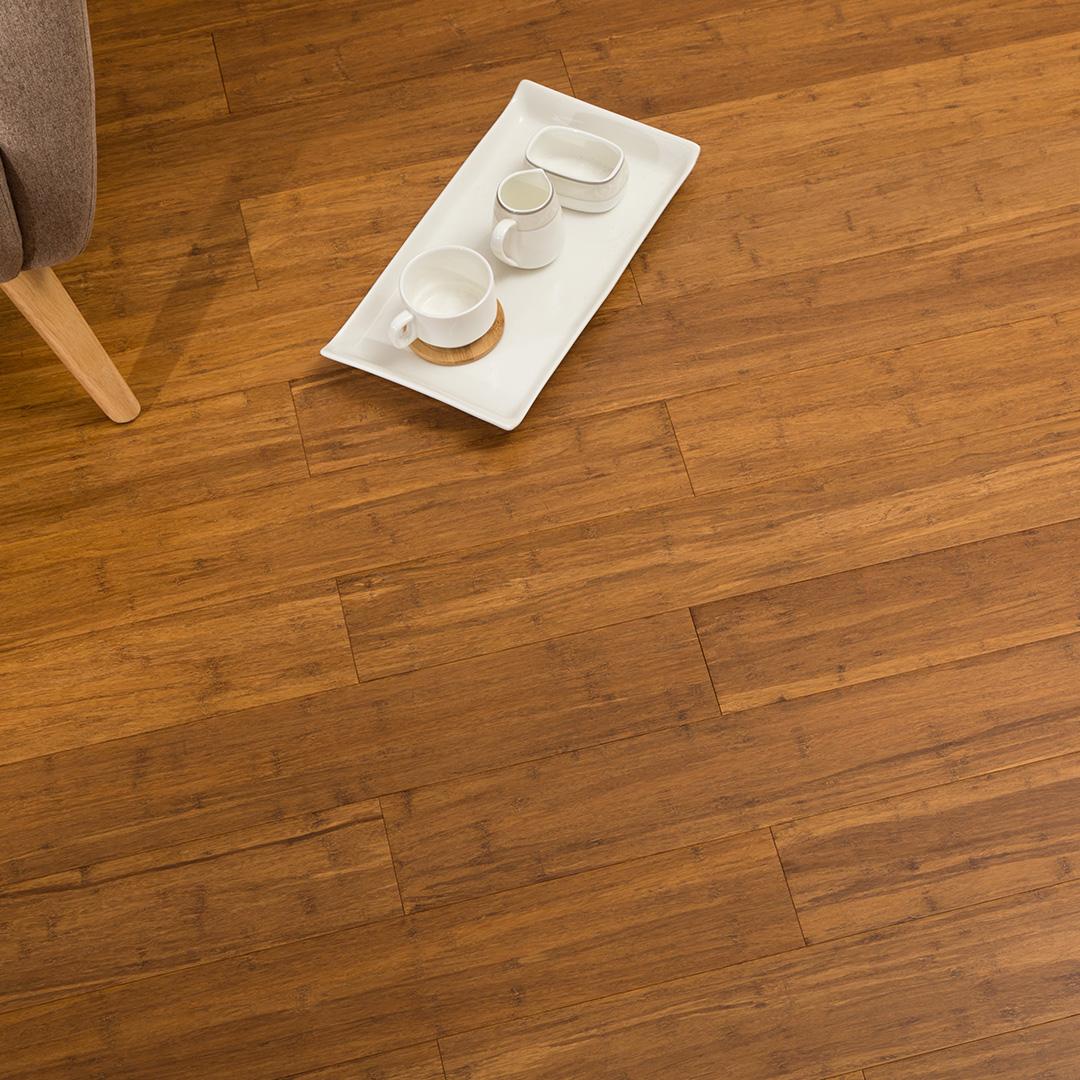
Among the different types of bamboo flooring available, strand woven bamboo stands out as the most durable and technically advanced option. Over the years working in bamboo flooring production, I’ve watched strand woven construction evolve into a material that rivals, and often surpasses, many traditional hardwoods in hardness, stability, and long‑term performance. While it generally carries a higher price than horizontal or vertical bamboo flooring, the difference reflects the engineering behind it rather than marketing alone.
For homeowners, builders, and designers evaluating long‑term value, understanding the technology, processing steps, and performance characteristics of strand woven bamboo explains why it consistently justifies its cost.
The Manufacturing Process Behind Strand Woven Bamboo
Strand woven bamboo starts with the same raw material as other bamboo flooring—usually moso bamboo of four to six years maturity. The process diverges when the culms are split, stripped, and then shredded into long, fibrous strands rather than sliced into strips.
From a technologist’s perspective, the difference begins here. The strand format allows the fibers to be reorganized and densely compressed, creating a uniform matrix with exceptional strength. This contrasts with traditional bamboo flooring where the structure is defined by the natural arrangement of the strips.
The manufacturing steps include:
- Fiber slicing and removal of outer silica layers
- Careful moisture balancing before resin blending
- Resin infusion to bind the fibers consistently
- High‑pressure compression into dense blocks
- Slow cooling and conditioning to reduce internal stress
- Precision milling into planks
- Multi‑layer UV finishing
Each phase requires consistent monitoring of moisture content, pressing temperature, pressure stability, and fiber distribution. These details influence hardness, dimensional stability, and long‑term behavior.
Production is more complex and equipment‑intensive than traditional bamboo flooring. This explains part of the price difference, but it also results in a material with superior performance.
Exceptional Hardness and Impact Resistance
One of the primary reasons strand woven bamboo commands a higher price is its remarkable hardness. The density created during compression produces flooring that can exceed the Janka hardness of many popular hardwoods.
Well‑manufactured strand woven bamboo often outperforms:
- Oak
- Hickory
- Maple
- Most tropical hardwoods
This makes it especially suitable for:
- Homes with large dogs
- Areas prone to dropped objects
- High‑traffic commercial spaces
- Families with active daily routines
Traditional bamboo flooring, while still durable, does not match the impact resistance of strand woven construction. The engineered density distributes force through the fiber matrix rather than allowing it to concentrate in a single point.
For homeowners seeking flooring that withstands years of daily wear without visible dents, this performance is a clear advantage.
Superior Dimensional Stability
Stability is one of the most important characteristics of any flooring material. Seasonal humidity changes can cause traditional hardwoods to expand, contract, cup, or gap. Even standard bamboo flooring can show movement if not manufactured properly.
Strand woven bamboo, when made with consistent moisture control and conditioning, demonstrates strong resistance to environmental changes. The fiber‑based structure responds more evenly to humidity fluctuations, reducing visible movement across seasons.
This stability is beneficial in:
- Regions with humid summers and dry winters
- Homes without strict humidity control
- Rooms with wide spans of direct sunlight
- Installations over radiant heating systems
The pressing process also reduces internal nodes and stress points, which limits the warping seen in some wood species. While no flooring is completely immune to environmental effects, the controlled behavior of strand woven bamboo provides long‑lasting visual consistency.
Long Fiber Structure for Strength and Durability
Moso bamboo fibers are naturally long and strong. Instead of relying on surface grain orientation, strand woven construction uses these fibers throughout the entire plank. The continuous strands strengthen the core of the flooring, not just the surface.
In practical terms, this provides several advantages:
- Crack resistance
- Improved resistance to edge damage
- Reduced susceptibility to chipping during installation
- Better performance under heavy furniture
Unlike some hardwood species whose strength varies significantly between heartwood and sapwood, strand woven bamboo’s structural reliability holds consistently across the plank.
For commercial spaces or active households, this uniform strength offers long‑term reliability that justifies a higher upfront investment.
More Resistant to Wear and Micro‑Scratches
Modern strand woven bamboo flooring often incorporates multiple layers of UV‑cured finish, sometimes enhanced with ceramic or aluminum oxide particles. These finishes help protect the surface from abrasion, micro‑scratches, and dulling caused by daily activities.
Budget flooring, including some standard bamboo products, may use thinner finishes with fewer protective layers. Over time, these coatings wear more easily.
Strand woven flooring’s finish quality results in:
- Slower surface wear
- Better resistance to pet claws
- Longer intervals before touch‑up or refinishing
- Improved appearance in high‑traffic areas
The combination of high density and advanced finishing reduces long‑term maintenance costs and preserves the flooring’s appearance far longer than many lower‑priced alternatives.
Wide Design Range Without Compromising Performance
Strand woven bamboo accepts stains, brushing textures, and matte finishes with excellent consistency. Its dense fiber structure absorbs stain in a controlled manner, allowing manufacturers to produce:
- Natural and caramel tones
- Walnut‑like browns
- Taupe and greige neutrals
- Soft grays
- Deep coffee or charcoal shades
- Brushed surfaces with enhanced grain character
While hardwood also offers a broad color range, strand woven bamboo provides a modern, cohesive aesthetic with fewer natural imperfections such as knots and mineral streaks. For homeowners seeking a clean, contemporary look that remains consistent across large open spaces, this is a valuable advantage.
Long‑Term Cost Efficiency
The initial price of strand woven bamboo is higher than standard bamboo and comparable to mid‑range hardwoods. However, long‑term costs often favor strand woven products when considering:
- Reduced denting over time
- Lower maintenance requirements
- Resistance to expansion‑related repairs
- Long lifespan under heavy use
- Less frequent replacement
Where softer hardwoods may require refinishing or replacement sooner, strand woven bamboo maintains its appearance and structure far longer in active households.
For commercial properties, the cost benefit becomes even more pronounced due to the extended life cycle and reduced downtime for repairs.
Sustainable Material with Strong Performance
Moso bamboo’s rapid growth cycle and renewable nature contribute to its environmental advantages. Strand woven construction makes efficient use of fibers that would otherwise not be suitable for strip bamboo flooring. The result is a high‑performance product backed by a sustainable raw material source.
This combination of sustainability and technical strength appeals to both homeowners and builders looking for responsible material choices without sacrificing durability or performance.
Reliable Manufacturing Standards
Premium strand woven bamboo flooring involves strict quality control at multiple stages:
- Raw material sorting based on culm age, density, and moisture
- Controlled resin distribution during fiber blending
- Precise pressing cycles
- Monitoring internal stress during cooling
- Milling within tight dimensional tolerances
- Multi‑layer UV finishing
The attention to detail required to produce high‑quality strand woven flooring adds to production cost but ensures that the finished product performs reliably for many years. Lower‑priced flooring simply does not undergo the same level of scrutiny.
Why Strand Woven Bamboo Justifies Its Price
For homeowners evaluating long‑term value, strand woven bamboo offers a balance of:
- Exceptional hardness
- Reliable stability
- Modern design versatility
- Comfort underfoot
- Strong resistance to scratches and wear
- Sustainable sourcing
- Lower lifetime maintenance costs
These traits come from both the natural properties of bamboo and the engineered strength created through the strand woven process.
For builders and designers, strand woven flooring provides a dependable surface that holds up under demanding conditions while offering the refined appearance expected in modern interiors.
For homeowners, it brings peace of mind—a floor that remains attractive and structurally sound for many years without needing regular repairs or refinishing.
While the upfront price may be higher than some alternatives, the performance, durability, and long‑term stability of strand woven bamboo make it a sound investment for homes and commercial spaces that expect their flooring to withstand real‑world use year after year.
- Digital Agency
- Literie
- Location de voitures
- Restaurant
- Restaurant
- Mode
- Mode
- Information
- Marketing
- Tourisme
- Développement
- Découverte
- Législation
- Gastronomie
- Pâtisserie
- Etkinlik
- Art
- Causes
- Crafts
- Dance
- Drinks
- Film
- Fitness
- Food
- Oyunlar
- Gardening
- Health
- Ana sayfa
- Literature
- Music
- Networking
- diğer
- Party
- Religion
- Shopping
- Sports
- Theater
- Wellness
 Turkish
 Indian
 English
 French
 Arabic
 Spanish
 Portuguese
 Deutsch
 Dutch
Dutch
 Italiano
 Russian
 Romaian
 Portuguese (Brazil)
 Greek
Greek
