


7 Key Specifications to Compare Before Buying a 2500 kVA Diesel Generator Set
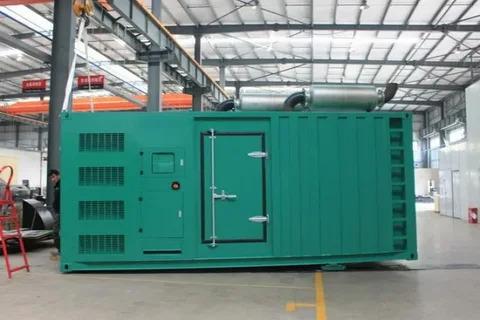
Have you ever been in that moment where the power flickers, everything goes dark, and you instantly think, “I hope the backup system kicks in…”? For big facilities, that moment can mean massive downtime, frustrated clients, safety risks, or even financial loss. And that’s exactly why choosing the right 2500 kVA Diesel Generator Set matters. It’s not just about buying a machine—it’s about investing in reliability, peace of mind, and long-term stability.
If you’re planning to buy one, comparing the right specifications can make all the difference. Let’s break down the most important ones, in plain, practical language.
Why Specifications Matter More Than You Think
Generators may look similar from the outside, but the “under the hood” details shape everything—from how much fuel you’ll burn to how well your operations stay protected during extended outages. The wrong specs? They can create headaches later. The right ones? They help your generator run smoother, last longer, and save money.
So, let’s walk through the seven specs that truly deserve your attention.

1. Power Output Ratings and Load Capacity
This is the first thing most buyers look at, but here’s the twist: power ratings can be confusing if you don’t know what’s what.
Prime vs. Standby Power
-
Prime power is designed for long-duration use.
-
Standby power is for emergencies only.
Both are important, depending on how you plan to use the generator.
For example, if you run a facility with fluctuating loads—like a large mall or a data center—you’ll want a generator with stable prime rating capability. However, if you only need the generator during grid failures, standby rating becomes more relevant.
Why it matters
Choosing the wrong rating can cause overloading, unstable power delivery, or faster wear. Matching output to your load ensures longevity and reliability.
2. Fuel Efficiency and Consumption Rate
Here’s the thing: a generator’s price is just the beginning. Its fuel consumption will follow you for years. That’s why getting a model known for efficiency is crucial.
What to compare:
-
Fuel usage at 50% load
-
Fuel usage at 75% load
-
Fuel usage at full load
Realistically, many facilities don’t run at 100% all the time. So, comparing mid-load fuel numbers gives you a more accurate cost picture.
A simple example
Two generators may have the same power rating, but one burns 5–10% less fuel over time. That adds up—especially for long-run applications.
3. Engine Make and Build Quality
The heart of any generator is its engine. A strong, globally recognized engine brand often brings:
-
Higher durability
-
Better spare parts availability
-
Improved performance under harsh conditions
-
Easier servicing
In addition, certain engines handle heat, dust, and humidity better—which is a big deal if your environment is challenging.
A quick tip:
Look beyond brand names and check things like:
-
Cylinder configuration
-
Displacement
-
Turbocharging
-
Cooling system type
These details reveal how well the engine handles stress.
4. Alternator Specifications
People often overlook alternators, but they directly affect the quality of the electricity your generator produces.
What matters:
-
Voltage regulation (stable voltage prevents equipment damage)
-
Insulation class (affects heat resistance)
-
IP rating (dust and water protection)
-
Stator and rotor design
A high-quality alternator maintains cleaner, more stable power—crucial for sensitive equipment like servers, medical devices, or industrial machinery.
5. Cooling System Design
For large generators, heat isn’t just a nuisance—it’s a threat. Overheating shortens engine life, weakens components, and increases failures.
Types of cooling systems:
-
Radiator-based
-
Water-cooled
-
Hybrid cooling designs
Choose a system based on:
-
Ambient temperature
-
Installation space
-
Ventilation conditions
For example, if the generator sits in a tight enclosure or a hot outdoor environment, you’ll want a system with strong airflow and efficient heat dissipation.
6. Control Panel Features
This is where modern generators really shine. Control panels have evolved from simple meters to smart digital systems that give you real-time insights.
Helpful features to look for:
-
Automatic transfer switching
-
Remote monitoring
-
Load indicators
-
Fault alarms
-
Data logging
-
Optional touchscreen displays
A good control panel makes your life easier, especially if you want to track performance, schedule maintenance, or receive alerts instantly.
Why it’s worth paying attention
A smart control system can prevent breakdowns, save fuel, and alert you to issues before anything serious happens.
Also Read it : Are Folding Doors in Dubai Weather-Resistant Enough for Outdoor Areas?
7. Noise Level and Enclosure Type
Let’s be honest—no one wants a booming generator shaking the walls. Whether it’s for a residential complex, a hospital, or a commercial facility, noise level matters.
What influences sound:
-
Exhaust design
-
Vibration isolation
-
Housing materials
-
Cooling airflow
Silent or acoustic enclosures significantly reduce noise and protect the generator from dust and weather.
Bonus benefit:
A good enclosure also improves security and extends the lifespan of internal components.
Choosing the Right 2500 kVA Diesel Generator Set: What Really Matters
And now’s the right time to place your keyword naturally within the body.
When you’re evaluating which 2500 kVA Diesel Generator Set suits your needs, think about how each specification lines up with your environment and usage patterns. For example, a data center may prioritize voltage stability and smart control systems, while a factory might care more about torque, load response, and fuel efficiency.
Looking at specs in isolation can be misleading. Instead, consider how they work together to deliver long-term performance.
FAQs
1. What is the ideal load percentage for a large generator?
Most operate best between 60% and 80% load. Running too low can cause issues like wet stacking.
2. How long does a 2500 kVA unit typically last?
With proper maintenance, these generators can run for decades.
3. Should I choose a silent model or an open-type design?
Silent models are better for populated areas, while open types are ideal for industrial zones with wide ventilation.
4. Do larger generators consume a lot more fuel?
Not always. Efficient engines can deliver surprisingly competitive fuel usage.
5. Can I use this generator for continuous operation?
Yes, if you choose one with a strong prime-rating specification.
Conclusion: Compare Smart, Choose Better
Choosing the right generator isn’t about grabbing the biggest machine—it’s about selecting the one that fits your needs perfectly. By comparing the seven key specifications above, you’ll avoid costly mistakes and invest in a system that delivers power, efficiency, and peace of mind. And when you’re evaluating options, remember to check how the 2500 kVA Diesel Generator Set aligns with your long-term goals, not just your immediate needs.
Take your time, review each detail, and make a choice that supports your facility for years to come. You’ll thank yourself later.
- Digital Agency
- Literie
- Location de voitures
- Restaurant
- Restaurant
- Mode
- Mode
- Information
- Marketing
- Tourisme
- Développement
- Découverte
- Législation
- Gastronomie
- Pâtisserie
- Event
- Art
- Causes
- Crafts
- Dance
- Drinks
- Film
- Fitness
- Food
- Παιχνίδια
- Gardening
- Health
- Κεντρική Σελίδα
- Literature
- Music
- Networking
- άλλο
- Party
- Religion
- Shopping
- Sports
- Theater
- Wellness
 Greek
Greek
 Indian
 English
 French
 Arabic
 Spanish
 Portuguese
 Deutsch
 Turkish
 Dutch
Dutch
 Italiano
 Russian
 Romaian
 Portuguese (Brazil)
