


Verify What Are the Best Materials for Durable Deck Flooring?
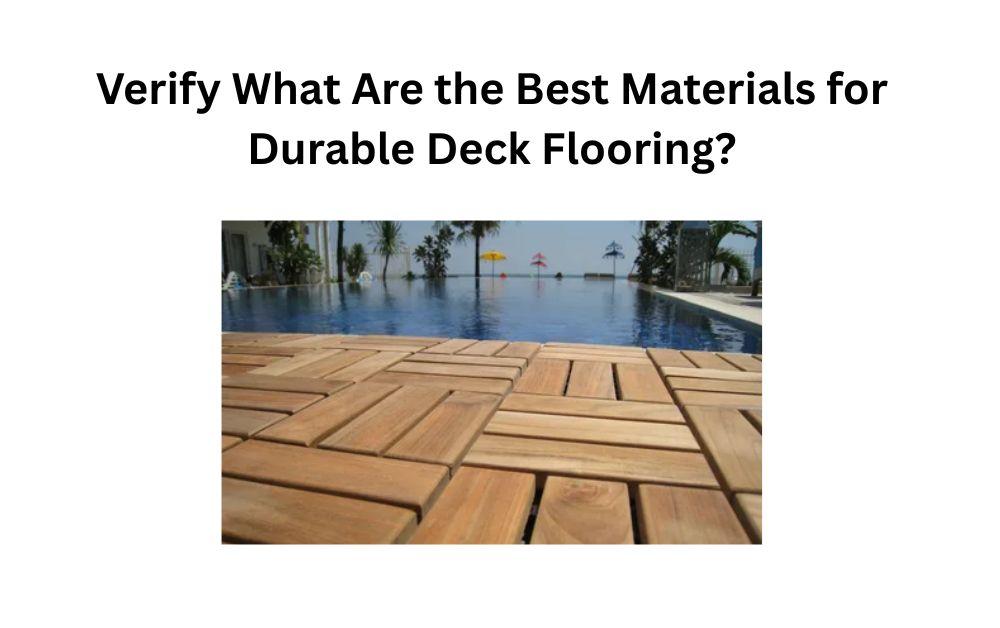
Choosing the right material for your deck flooring is important for long-lasting durability, aesthetic appeal, and low maintenance. This blog breaks down the most durable deck flooring materials in simple, clear language to help you make an informed choice. We will explore popular options including wood, composite, PVC, and more, explaining their strengths, weaknesses, and suitability for different outdoor spaces.
Understanding Deck Flooring Durability
Note : Deck flooring in Dubai offers a variety of high-quality options suitable for the region's hot and often humid climate. Popular choices include wooden decks made from teak, cedar, or Ipe, as well as innovative composite, PVC, and WPC decking materials that resist weather damage, moisture, and fading.
What Makes Deck Flooring Durable?
Durability means a deck floor can resist weather, heavy foot traffic, insects, moisture, fading from sun exposure, and require minimal repairs or replacements over time. A durable deck material combines strength with resilience against these outdoor challenges.
Why Is Durability Important?
Durable decking maximizes safety and comfort while minimizing maintenance costs. It protects your investment and maintains your outdoor space’s beauty longer.
Pressure-Treated Wood

What Is Pressure-Treated Wood?
Pressure-treated wood is natural wood infused with chemical preservatives that protect it against rot, decay, and insects. It’s one of the most common decking materials.
Durability Benefits
This material is moderately durable, cost-effective, and widely available. Proper sealing and regular maintenance can extend its lifespan significantly.
Considerations
Pressure-treated wood may warp or splinter over time if not maintained well. It requires periodic staining and sealing.
Hardwood Decking
Popular Hardwood Choices
Ipe, teak, and mahogany are premium hardwood options known for their natural durability and resistance to insects and rot.
Strengths of Hardwood
Hardwoods are very dense, weather-resistant, and offer a luxurious appearance with rich natural colors. They can last decades with proper care.
Maintenance Needs
Hardwoods need some maintenance including cleaning and refinishing to preserve their beautiful look.
Composite Decking
What Is Composite Decking?
Composite decking blends wood fibers and recycled plastics to mimic traditional wood but with improved durability.
Durability Advantages
Composite decks resist rot, mold, insect damage, and splintering. They require very low maintenance, no staining, and tend to last longer than natural wood.
Drawbacks
Though more expensive upfront, composite decks lower long-term upkeep costs. Some composites can get warm in direct sunlight.
PVC (Vinyl) Decking
Overview of PVC Decking
PVC decking is made entirely from plastic, offering 100% resistance to moisture and insects.
Why PVC Is Very Durable
PVC decks won’t rot or grow mold, and are highly resistant to fading and scratching. They are perfect for wet or humid climates and require almost no maintenance.
Limitations
PVC decking tends to be pricier than other options and may lack the natural wood look some desire.
Aluminum Decking
What Is Aluminum Decking?
Aluminum decking is a metal decking option that is lightweight, rust-proof, and extremely durable.
Benefits for Longevity
It can withstand harsh weather, is fire-resistant, and does not warp or splinter. Aluminum decks are low maintenance with a unique aesthetic.
Cost and Style
This option comes with a higher cost and is less common but offers superior durability.
Concrete and Stone Alternatives
Use of Concrete and Stone
For certain outdoor settings, stamped concrete, pavers, or natural stone flooring offer durable and stylish decking.
Durability Features
These materials are heavy-duty, resist wear, and require minimal maintenance, making them excellent for high-traffic or poolside areas.
Choosing the Best Material for Your Deck
Consider Your Climate
In wet or humid climates, PVC or composite decking tends to perform best. In dry or temperate areas, hardwood or pressure-treated wood may be suitable.
Lifestyle and Budget
Consider how much maintenance you want to invest and your budget. Composite and PVC have higher upfront costs but lower upkeep.
Aesthetics and Feel
Natural wood offers warmth and authenticity. Composites and PVC offer versatility in colors and textures while being practical.
Installation and Maintenance Impact Durability
Professional Installation Matters
Correct installation ensures drainage, stability, and reduces risks of warping, helping prolong deck lifespan.
Proper Care Extends Life
Regular cleaning, sealing (for wood), and inspections prevent deterioration regardless of material choice.
Conclusion:
While hardwood is prized for beauty and natural strength, composites and PVC are top picks for durability and low maintenance. Pressure-treated wood provides affordability with moderate longevity. Metals and stone offer specialized durable options for certain designs.
Understanding the durability and maintenance needs of each material helps you pick the deck Zia And Sagor Carpets Trading LLC that fits your environment, budget, and lifestyle best—ensuring many enjoyable years outdoors.
- Digital Agency
- Literie
- Location de voitures
- Restaurant
- Restaurant
- Mode
- Mode
- Information
- Marketing
- Tourisme
- Développement
- Découverte
- Législation
- Gastronomie
- Pâtisserie
- Evento
- Art
- Causes
- Crafts
- Dance
- Drinks
- Film
- Fitness
- Food
- Giochi
- Gardening
- Health
- Home
- Literature
- Music
- Networking
- Altre informazioni
- Party
- Religion
- Shopping
- Sports
- Theater
- Wellness
 Italiano
 Indian
 English
 French
 Arabic
 Spanish
 Portuguese
 Deutsch
 Turkish
 Dutch
Dutch
 Russian
 Romaian
 Portuguese (Brazil)
 Greek
Greek
