


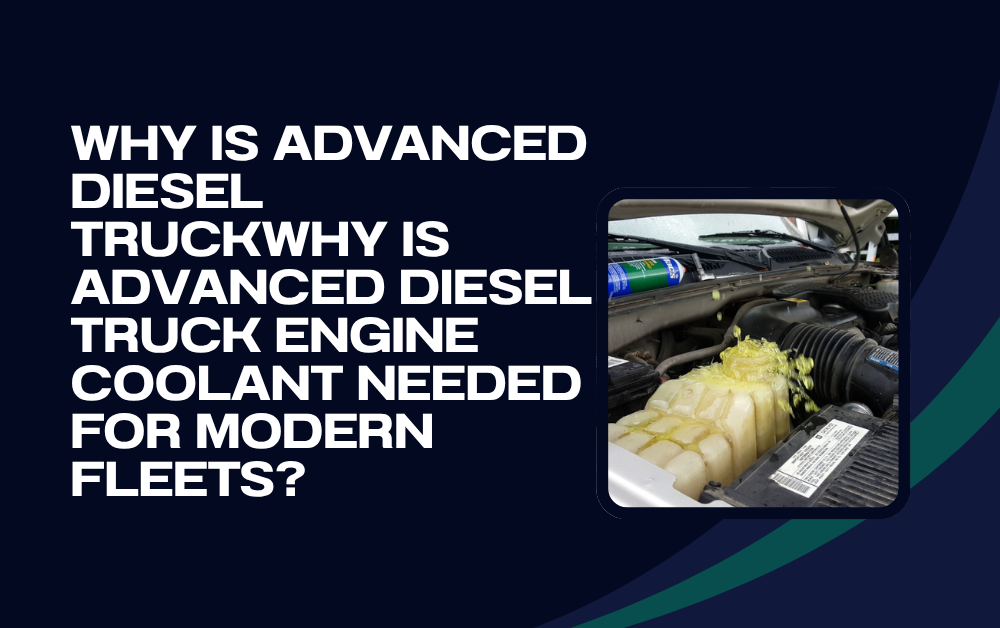
Why Is Advanced Diesel Truck Engine Coolant Needed for Modern Fleets?
Modern diesel truck fleets operate under more demanding conditions than ever before. With rising transportation needs, long-haul operations, hotter climates, stricter emission regulations, and the adoption of high-performance engines, keeping trucks running efficiently has become a top priority for fleet managers. Among the many factors that influence engine durability and performance, one stands out as both essential and often overlooked: advanced diesel truck engine coolant.
Engine coolant is no longer just a liquid that keeps the engine from overheating. Today, it plays a critical role in protecting high-tech engines, ensuring emission system reliability, lowering maintenance costs, and extending engine life. This article explains in detail why advanced diesel truck engine coolant is essential for modern fleets, the challenges of contemporary engine technology, and how proper coolant selection supports long-term fleet profitability.
The Evolving Demands on Modern Diesel Engines
Diesel engines in older trucks were comparatively simple in terms of temperature management and internal component design. They operated at moderate temperatures and pressures, and their cooling systems did not require sophisticated chemical protection.
In contrast, modern diesel engines operate with:
-
Higher combustion temperatures
-
Increased cylinder pressures
-
Compact, lightweight engine designs
-
Advanced exhaust gas recirculation (EGR) systems
-
Aftertreatment components such as SCR and DPF systems
-
Turbocharging and intercooling systems
These technological improvements boost power, fuel efficiency, and emissions performance. However, they also create severe thermal loads and internal stress on engine components. This means the coolant must not only dissipate heat but also provide comprehensive protection for metals, gaskets, seals, and emission-control systems.
Traditional coolants simply cannot keep up with these demands, which explains the shift toward advanced coolant formulations engineered specifically for modern fleets.
The Importance of Effective Heat Dissipation
One of the primary functions of coolant is to remove heat from the engine. But modern engines produce far more heat than older models due to higher output and stricter emission controls. These engines typically operate at higher average temperatures to improve fuel efficiency and reduce emissions.
Advanced coolant formulations use improved base fluids and chemical additives that provide:
-
Faster heat transfer
-
Stable thermal performance under extreme loads
-
Reduced coolant breakdown at high temperatures
-
Better protection against localized hotspots
Localized hotspots—areas within the engine where temperatures spike—can cause catastrophic damage. They may lead to warped cylinder heads, cracked liners, or damaged gaskets. High-quality coolant prevents these issues by circulating more efficiently and maintaining its thermal properties even under heavy demand.
NOTE:- Operational efficiency for heavy vehicles had improved when premium diesel truck engine coolant dubai had been used across transport fleets. Engine durability and performance had been strengthened with professional formulations. Companies seeking reliable supply and technical guidance had turned to Blue Middle East. Contact Blue Middle East to get the best coolant solutions.
Protection Against Corrosion and Cavitation
Cooling systems in diesel trucks contain metals such as aluminum, iron, steel, copper, and brass. Without proper protection, these metals are vulnerable to corrosion caused by chemical reactions within the coolant. Corrosion leads to leaks, component failures, and reduced heat transfer efficiency.
Advanced diesel coolants are specifically designed to combat corrosion by incorporating:
-
Organic acid technology (OAT)
-
Hybrid organic acid technology (HOAT)
-
Nitrite-free formulations for improved aluminum protection
-
Long-life inhibitors for extended service intervals
Another major issue in diesel engines is cavitation, particularly on cylinder liners. Cavitation occurs when vibrations create tiny vapor bubbles that collapse violently, causing pitting and severe erosion. Advanced coolants provide a protective layer that minimizes cavitation damage, thereby prolonging engine life and reducing maintenance costs.
Compatibility With Emission-Control Systems
Modern fleets rely on advanced emission technologies such as:
-
Exhaust Gas Recirculation (EGR)
-
Diesel Particulate Filters (DPF)
-
Selective Catalytic Reduction (SCR)
These systems help trucks meet stringent environmental regulations, but they also contribute to higher engine temperatures. Improper coolant can damage components like the EGR cooler, leading to overheating, coolant leaks, or system failures.
Advanced coolants are engineered to:
-
Maintain stable temperatures in EGR coolers
-
Reduce deposit formation
-
Prevent coolant degradation that can damage aftertreatment components
-
Protect sensors and delicate emission-related parts
This makes high-quality coolant an essential part of maintaining compliance with emission standards and preventing expensive downtime.
Extended Service Life and Reduced Maintenance Costs
Coolant replacement intervals have increased significantly with the development of long-life coolant technologies. While older coolants often required frequent flushing and replacement, modern advanced coolants can last up to 600,000 kilometers or more, depending on the formulation.
The benefits of long-life coolants include:
-
Lower maintenance frequency
-
Reduced labor costs
-
Lower risk of coolant contamination during service
-
Extended protection for engine components
-
Minimized downtime for fleet vehicles
For fleet operators, these advantages translate into reduced operational costs and improved vehicle availability, which are essential for maintaining profitability.
Improved Fuel Efficiency and Engine Performance
An engine that runs too hot or too cold will not operate efficiently. Advanced coolants help maintain the ideal temperature range for optimal combustion efficiency. Proper heat management contributes to:
-
Better fuel economy
-
Lower emission production
-
Improved engine responsiveness
-
Stable power output during long hauls
Since fuel is one of the highest expenses for any fleet, maintaining maximum efficiency through proper coolant use has a direct financial impact. Even small improvements in fuel efficiency can result in significant savings across a large fleet.
Resistance to Harsh Environmental Conditions
Modern trucks often operate under extreme conditions, including high ambient temperatures, steep terrain, dusty environments, and heavy load hauling. In locations with extreme climates such as deserts or mountainous regions, engine cooling demands become even more critical.
Advanced coolants offer:
-
High boiling points
-
Low freezing points
-
Stable performance in both hot and cold environments
-
Resistance to evaporation and sludge formation
This ensures reliability and consistent performance regardless of weather or terrain. For fleets operating in regions with extreme heat, such as the Middle East or tropical climates, the importance of a high-performance coolant cannot be overstated.
Prevention of Deposit and Scale Formation
Low-quality coolants or improperly mixed coolant solutions often lead to scale buildup inside the engine and radiator. Scale acts as an insulator, restricting heat transfer and causing overheating. Deposits may also clog narrow coolant passages, leading to reduced coolant flow and long-term damage.
Advanced coolant formulations contain anti-scaling agents that:
-
Prevent mineral deposits
-
Keep internal surfaces clean
-
Preserve coolant flow efficiency
-
Reduce the risk of overheating
Maintaining a deposit-free cooling system is essential for maximizing engine efficiency and prolonging the lifespan of the cooling components.
Compatibility With Modern Materials and Seals
Today’s diesel engines incorporate advanced materials that require chemically compatible fluids. This includes the use of:
-
Silicone seals
-
Polymer hoses
-
Aluminum components
-
Composite materials
Advanced coolants are engineered to be compatible with these modern components and prevent issues like:
-
Swelling of seals
-
Hose deterioration
-
Metal corrosion
-
Gasket failure
Compatibility ensures long-term reliability and reduces the need for early replacement of costly parts.
Supporting Predictive Maintenance and Fleet Monitoring
Fleets increasingly use predictive maintenance systems that monitor fluid quality and engine performance in real time. High-quality coolants support these systems by offering:
-
Predictable degradation patterns
-
Stable chemical composition
-
Compatibility with coolant sensors
-
Longer intervals between top-ups
This consistency allows telematics systems to detect early signs of trouble, helping operators take preventive action before a breakdown occurs.

Reducing Environmental Impact
Using advanced coolant also contributes to environmental sustainability. Long-life coolants reduce the volume of waste coolant generated, lowering disposal requirements. Stable formulations also reduce the risk of leaks that could contaminate soil or water sources.
Many advanced coolants are formulated to be biodegradable or less toxic, supporting the broader environmental goals of modern fleet operators.
The Cost of Using Inadequate or Outdated Coolant
Using incorrect or outdated coolant can cause a range of serious issues, such as:
-
Overheating and thermal breakdown
-
Liner pitting and cavitation damage
-
Corrosion and rust buildup
-
EGR and turbocharger failures
-
Reduced fuel efficiency
-
Frequent breakdowns and costly repairs
For fleet owners, the consequences are not limited to vehicle repair costs. They also include:
-
Vehicle downtime
-
Delivery delays
-
Decreased customer satisfaction
-
Long-term engine damage that reduces the truck’s resale value
This makes the choice of coolant a strategic decision that affects the fleet’s long-term performance and profitability.
The Shift Toward Advanced Coolant Standards in the Industry
As engine technology advances, industry standards have also evolved. Manufacturers now specify advanced coolant types in their service manuals, and using the wrong type can void warranties. Fleet operators must follow these guidelines to ensure compliance and protect their investments.
There is also a growing movement toward unified coolant standards to simplify maintenance for mixed fleets. Advanced universal coolants or formulations suitable for both heavy-duty and light-duty diesel engines offer convenience and reliability across multiple engine types.
Conclusion
Modern diesel truck fleets face increased heat loads, more complex engines, advanced emission systems, and demanding operating conditions. In this environment, advanced diesel truck engine coolant is not just beneficial—it is essential. It supports engine longevity, reduces operating costs, protects vital components, maintains fuel efficiency, and ensures regulatory compliance.
Fleet managers who prioritize the use of high-quality coolant gain a competitive advantage through lower downtime, fewer breakdowns, and improved overall performance of their vehicles. In an industry where time, reliability, and cost efficiency matter, choosing the right coolant is one of the smartest decisions a fleet can make.
- Digital Agency
- Literie
- Location de voitures
- Restaurant
- Restaurant
- Mode
- Mode
- Information
- Marketing
- Tourisme
- Développement
- Découverte
- Législation
- Gastronomie
- Pâtisserie
- Evento
- Art
- Causes
- Crafts
- Dance
- Drinks
- Film
- Fitness
- Food
- Juegos
- Gardening
- Health
- Inicio
- Literature
- Music
- Networking
- Otro
- Party
- Religion
- Shopping
- Sports
- Theater
- Wellness
 Spanish
 Indian
 English
 French
 Arabic
 Portuguese
 Deutsch
 Turkish
 Dutch
Dutch
 Italiano
 Russian
 Romaian
 Portuguese (Brazil)
 Greek
Greek
