


What Support Services Do Badminton Sports Academies Offer?
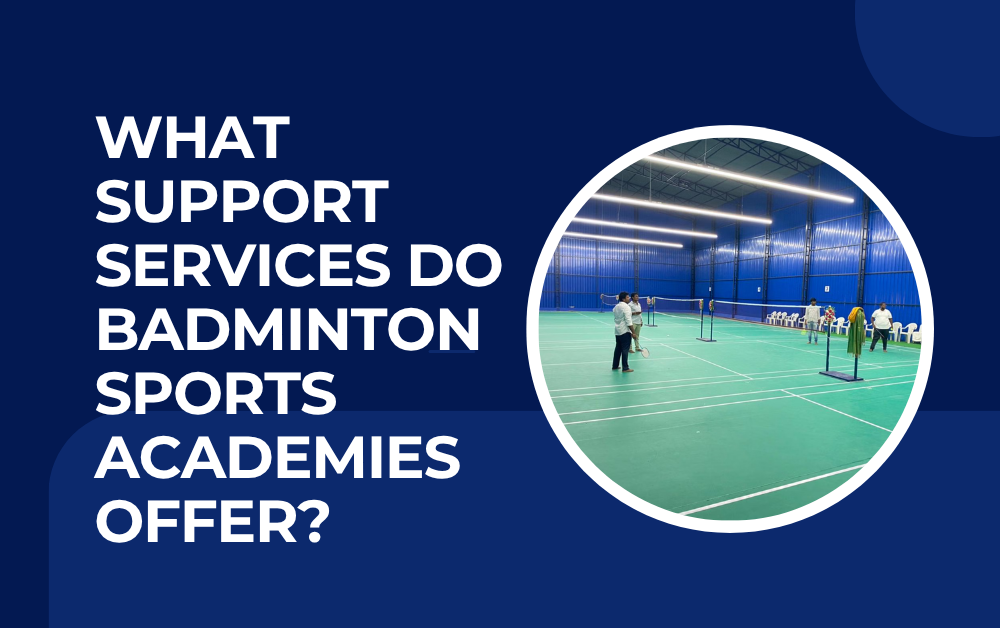
Badminton has evolved into a highly competitive, fast-paced global sport where success depends not only on technical skills but also on a strong support ecosystem. Modern badminton sports academies play a crucial role in nurturing young talent, developing professional athletes, and providing a structured environment for holistic improvement. Beyond coaching, these academies offer a wide range of support services designed to address the physical, mental, educational, and logistical needs of players.
Understanding these services is essential for athletes and parents who wish to make informed decisions about training pathways. Below is an in-depth look at the major support services provided by badminton sports academies and how they contribute to overall athlete development.
Coaching and Skills Development
Technical Skills Training
One of the most vital services offered by badminton academies is expert technical coaching. This includes teaching stroke techniques such as smashes, drops, clears, drives, and net play, along with footwork coordination and grip variations. Coaches analyze players’ form, identify weaknesses, and help refine mechanics to enhance consistency and efficiency.
Tactical and Game Strategy Development
Beyond learning basic strokes, players must understand game patterns, opponent analysis, and situational decision-making. Academies use match simulations, real-game scenarios, and strategic drills to develop tactical intelligence. Athletes learn when to attack, defend, vary pace, or exploit gaps—skills essential in competitive badminton.
Skill Assessment and Progress Tracking
Coaches often conduct periodic evaluations to measure progress. This may include video analysis, match performance reviews, ranking tests, and skill-specific assessments. These evaluations help coaches and players understand developmental areas and set future training goals.
Physical Conditioning and Fitness Support
Strength and Conditioning Programs
Badminton demands strength, agility, and power. Academies typically offer structured strength training programs designed by certified fitness trainers. These workouts focus on improving muscle strength, endurance, agility, speed, and explosive power—key components for elite performance.
Flexibility and Injury Prevention Training
Flexibility training is crucial for badminton athletes to prevent muscle strains, improve movement fluidity, and support rapid directional changes. Fitness trainers incorporate stretching routines, mobility drills, and corrective exercises to prevent common injuries like ankle sprains, shoulder strains, and knee issues.
Endurance and Cardiovascular Training
Since badminton matches involve high-intensity rallies, academies include endurance-building sessions such as interval running, cycling, and aerobic drills. These ensure that athletes can sustain energy throughout long matches without compromising technique.
NOTE:- At the badminton sports academy, players had received structured sessions that enhanced footwork, stamina, and tactical understanding. The coaches had ensured every student developed at the right pace. The academy had consistently delivered strong performers. Continue this legacy—join Stars Badminton and begin your training journey!
Sports Science and Performance Analysis
Biomechanical Analysis
High-level academies use technology such as motion-capture systems and slow-motion video analysis to study athletes’ movements. This helps in refining techniques, improving efficiency, and avoiding repetitive strain injuries caused by improper form.
Sports Nutrition Consultation
Proper nutrition directly impacts performance, recovery, and stamina. Many academies employ sports nutritionists who create personalized diet plans based on an athlete’s body type, training load, and performance goals. They provide guidance on hydration, meal timing, supplements, and tournament-specific nutrition strategies.
Sports Psychology Services
Mental strength is a decisive factor in competitive sports. Academies often bring in sports psychologists to help athletes manage pressure, build confidence, set goals, and maintain focus. Techniques such as visualization, mindfulness, and stress management support athletes in both training and competition.
Medical and Physiotherapy Support
On-Site Physiotherapy
Injury management and recovery are essential components of athletic training. Many academies offer on-site physiotherapy services, including manual therapy, massage, taping, ultrasound therapy, and rehabilitation programs. Physiotherapists work closely with coaches to ensure injury prevention and safe return to play.
Medical Check-Ups and Health Monitoring
Regular medical check-ups help track an athlete’s physical health, identify deficiencies, and prevent long-term issues. Some academies collaborate with sports physicians to conduct fitness tests, assess joint function, and oversee chronic injuries.
Rehabilitation Programs
For athletes recovering from injury, academies may provide personalized rehabilitation plans that combine physiotherapy, conditioning, and gradual return-to-sport protocols to ensure full recovery without risking re-injury.
Academic and Personal Development Support
Academic Assistance for Young Athletes
Balancing sports and academics can be challenging, especially for school-going athletes. To address this, some academies partner with schools or offer in-house tutoring, flexible schedules, and study support programs. This helps young athletes pursue their education without compromising training.
Life Skills and Character Development
Many academies emphasize discipline, teamwork, leadership, and resilience as integral parts of the curriculum. Through workshops, mentoring sessions, and structured routines, athletes learn valuable life skills that extend beyond the court.
Career Guidance and Pathway Planning
For aspiring professional players, navigating tournament selections, rankings, sponsorships, and long-term career planning can be complex. Academies often provide guidance on these aspects, helping athletes choose the right tournaments, understand ranking systems, and explore higher training or scholarship opportunities.
Tournament and Competitive Exposure
Internal and Inter-Academy Competitions
Regular competitive exposure helps athletes gain experience, develop match temperament, and assess their progress. Academies organize practice matches, ladder competitions, and inter-academy tournaments to simulate real competitive environments.
Support for State, National, and International Tournaments
For players participating in official tournaments, academies assist with registration, documentation, and logistics. Coaches provide pre-match strategies, scouting reports, and post-match feedback to help athletes improve performance.
Travel and Accommodation Support
Some academies coordinate transportation, lodging, and meal planning for players during major tournaments. This ensures athletes remain focused on competition while the academy handles organizational responsibilities.
Equipment and On-Court Resources
Access to Quality Courts and Facilities
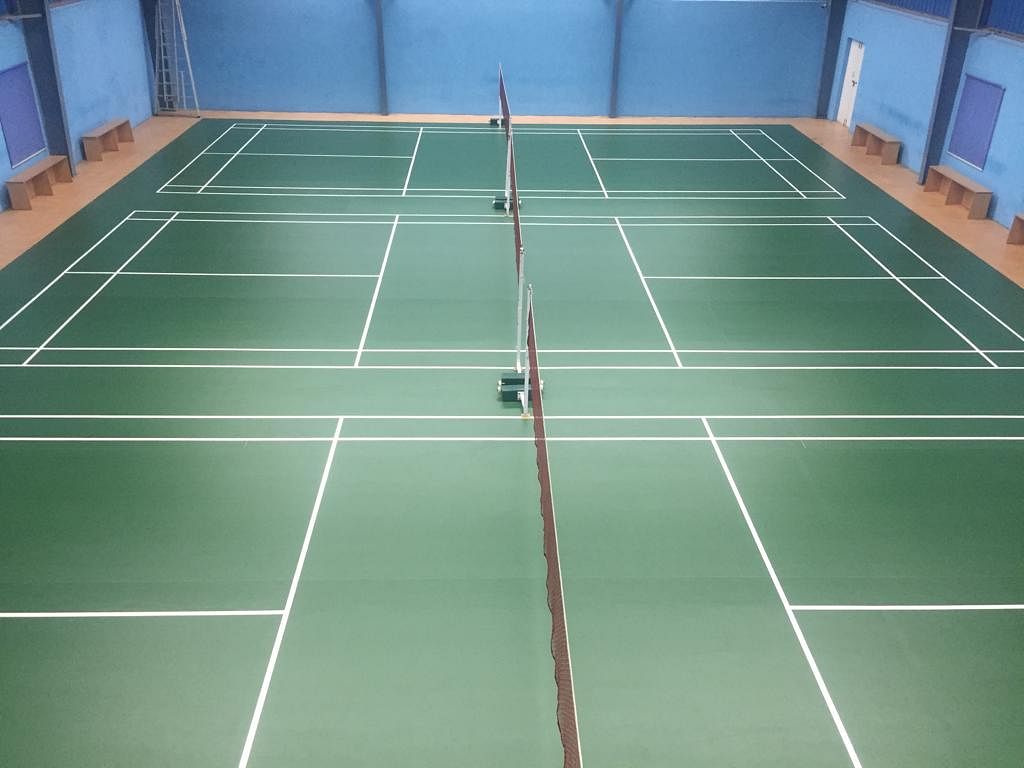
Top academies invest in high-quality courts with proper flooring, lighting, and ventilation. These conditions help players train safely and effectively while decreasing the risk of injury.
Equipment Provision and Maintenance
Badminton requires specialized equipment such as racquets, shuttlecocks, shoes, and grips. Many academies offer access to premium equipment or maintain partnerships with reputed sports brands. They may also provide racquet stringing services and equipment maintenance support.
Training Aids and Technology
Modern badminton training involves the use of various tools such as shuttle machines, wearable trackers, smart racquets, and video playback systems. These help in high-intensity drills, consistency training, and detailed stroke analysis.

Residential and Lifestyle Services
Hostel or Dormitory Facilities
Some academies offer residential programs for serious athletes. These provide safe and structured living environments with access to amenities like study rooms, recreation areas, and dining halls. Residential training promotes discipline and minimizes travel time.
Nutrition-Controlled Meal Plans
Residential academies often provide meals designed according to athletes’ nutrition requirements. These include balanced diets rich in protein, carbohydrates, vitamins, and minerals to support intense training schedules.
Parental and Athlete Counseling
To ensure emotional well-being, many academies offer counseling services for both athletes and parents. These sessions help address concerns about performance pressure, motivation, and long-term goals.
Sponsorship, Networking, and Career Advancement
Sponsorship and Brand Partnerships
For talented players, securing sponsorships can reduce financial burdens associated with training and competition. Some academies connect athletes with brands, organizations, or grant programs that provide financial or equipment support.
Collaboration with National Federations
Leading academies often collaborate with national badminton federations, allowing athletes access to elite training camps, national-level coaches, and selection trials.
Opportunities for Coaching and Sports Careers
Not all athletes pursue professional playing careers. Many academies offer training for coaching certifications, fitness training roles, or sports management careers. This ensures long-term engagement with the sport.
Conclusion
Badminton sports academies provide far more than just technical coaching. They serve as comprehensive development centers that support athletes through advanced coaching, physical conditioning, sports science services, mental training, academic support, medical care, competitive exposure, and lifestyle management. By offering a holistic support system, these academies play a critical role in transforming players into well-rounded athletes capable of excelling at regional, national, and international levels.
Choosing the right academy means evaluating not only coaching quality but also the scope of support services offered. A robust training ecosystem can significantly influence an athlete’s growth, performance, and long-term success in badminton.
- Digital Agency
- Literie
- Location de voitures
- Restaurant
- Restaurant
- Mode
- Mode
- Information
- Marketing
- Tourisme
- Développement
- Découverte
- Législation
- Gastronomie
- Pâtisserie
- مناسبة
- Art
- Causes
- Crafts
- Dance
- Drinks
- Film
- Fitness
- Food
- الألعاب
- Gardening
- Health
- الرئيسية
- Literature
- Music
- Networking
- أخرى
- Party
- Religion
- Shopping
- Sports
- Theater
- Wellness
 Arabic
 Indian
 English
 French
 Spanish
 Portuguese
 Deutsch
 Turkish
 Dutch
Dutch
 Italiano
 Russian
 Romaian
 Portuguese (Brazil)
 Greek
Greek
