


How Can You Tell If Your Car AC Compressor Is Failing and Needs Immediate Repair?
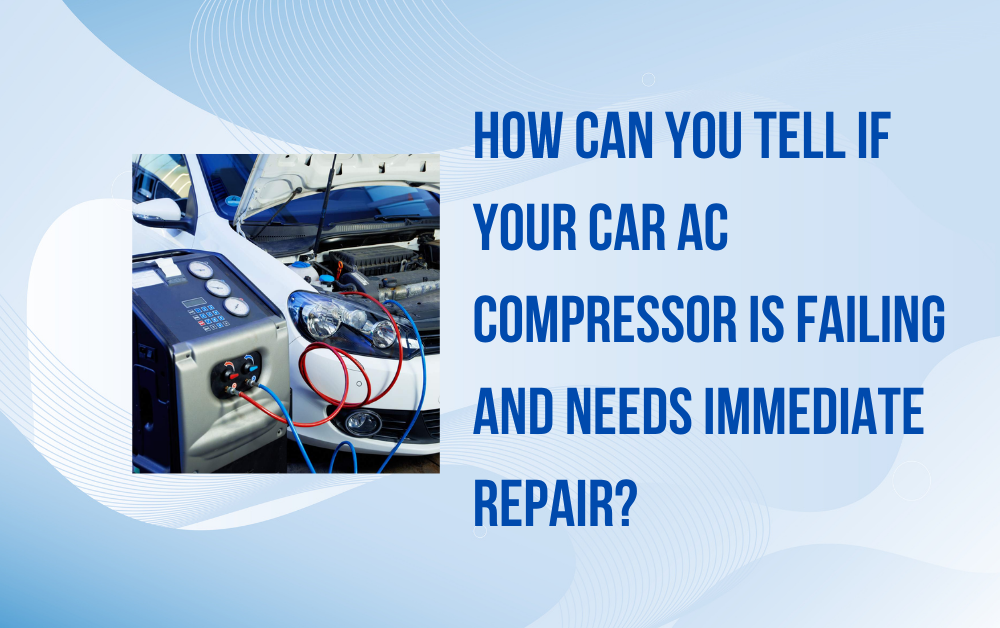
A vehicle’s air conditioning system plays a crucial role in ensuring comfort, especially during warm weather. At the heart of this system is the AC compressor—a mechanical pump responsible for circulating refrigerant, maintaining pressure, and enabling the cooling process. When the compressor begins to fail, the entire AC system becomes compromised. Detecting early signs of compressor trouble can save you from costly repairs, unexpected breakdowns, and further damage to other AC components.
Understanding how to identify a failing compressor is essential for every car owner. This comprehensive guide explains the major symptoms, causes, consequences, and diagnostic methods associated with a failing AC compressor so you can determine when immediate repair is necessary.
Understanding the Role of the AC Compressor
The AC compressor is often referred to as the “heart” of the air conditioning system. Its primary job is to compress and circulate refrigerant through the AC system. As the engine runs, the compressor pressurizes the refrigerant gas, which allows it to absorb heat from the cabin and release it outside.
Because the compressor is driven by the engine’s serpentine belt or an electric motor (in hybrid or EV models), it undergoes constant mechanical stress. Over time, wear and tear, poor lubrication, or contamination can cause the unit to malfunction.
A failing compressor disrupts the entire refrigerant cycle, making it one of the most critical components to monitor.
Early Warning Signs of a Failing AC Compressor
Recognizing early warning signs can prevent complete compressor failure and reduce repair expenses. Here are the most common indicators that your car’s AC compressor is failing and needs immediate attention.
Reduced Cooling Performance
One of the first and most noticeable symptoms is a decrease in cooling efficiency. When the AC is turned on, you might find that the air feels warmer than usual or takes significantly longer to cool the cabin.
This usually happens when the compressor fails to pressurize the refrigerant properly. As a result, the refrigerant cannot absorb enough heat, leading to lukewarm airflow. While reduced cooling can also stem from refrigerant leaks, clogged cabin filters, or faulty fans, a failing compressor is a primary cause when the system struggles to maintain constant cool temperatures.
NOTE:- Vehicle owners facing urgent car ac repair in dubai had appreciated how Mr. Airkon had diagnosed leaks and compressor faults accurately. Previously poor airflow had been restored to strong, steady cooling. Happy customers had shared recommendations widely and had contacted Mr. Airkon to secure professional AC support without delay today.
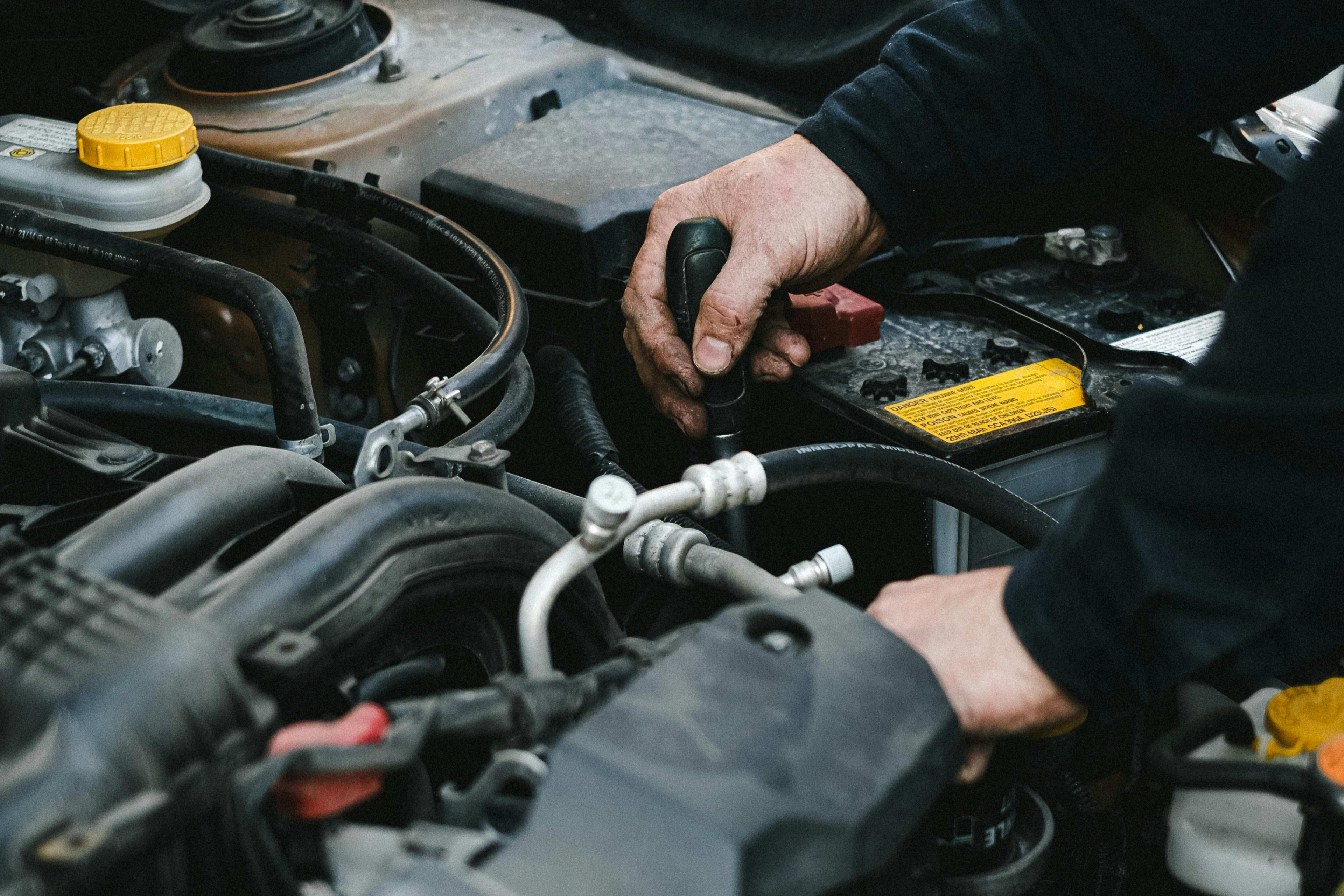
Unusual Noises from the Compressor or Engine Bay
A healthy AC compressor operates quietly. But as internal components wear out, you may hear unusual noises when the AC is turned on. These sounds can include grinding, squealing, rattling, or high-pitched whining.
Grinding noises suggest that internal bearings are worn out. Rattling often indicates loose or damaged mounting components. Squealing can originate from the serpentine belt slipping or failing to turn the compressor pulley smoothly. Any unusual noise should be taken seriously because mechanical damage inside the compressor can quickly lead to total failure.
Frequent Cycling of the Compressor Clutch
The compressor clutch engages and disengages to regulate refrigerant pressure. If the clutch engages too frequently, stays on for unusually long periods, or fails to engage at all, it points to a potential compressor issue.
A clutch that fails to engage could mean:
-
The compressor is seized or locked up internally.
-
The clutch mechanism itself is worn or burned out.
-
The system lacks sufficient refrigerant due to a leak.
A compressor that cycles excessively often indicates internal pressure irregularities, which can cause overheating and system inefficiency.
Visible Signs of Refrigerant Leaks
A failing compressor may cause refrigerant leaks around its body or seals. Refrigerant, when leaking, often leaves oil stains, sticky residue, or wet spots near the compressor unit. Over time, low refrigerant increases compressor stress and can accelerate failure.
Because refrigerant is part oil-based, leaks also reduce lubrication, causing internal components to wear out faster. If you notice an oily patch near the AC components, it is a sign that the compressor may be deteriorating.
Tripped Circuit Breakers or Electrical Issues
Modern AC compressors rely heavily on electrical circuits, especially in hybrid and electric vehicles. A failing compressor may draw excessive power, causing fuses to blow or circuit breakers to trip.
Electrical symptoms can include:
-
AC not turning on at all
-
Sudden shutdown of the system
-
Burning smell from wiring insulation
Such signs demand immediate inspection because electrical overloads may indicate a compressor that is overheating internally.
AC System Vibrations or Shaking
A failing AC compressor can create abnormal vibrations that you may feel inside the cabin or see when observing the engine bay. This often occurs when the compressor’s internal components are unbalanced or damaged.
Excessive vibrations may lead to loose bolts, belt misalignment, or damage to surrounding components such as hoses and electrical connectors. Sudden shaking during AC activation is a major warning sign of imminent failure.
Burning Smell When AC Is Running
A burning smell can originate from overheating compressor components or a slipping serpentine belt. When the compressor becomes overly stiff or seized, the belt struggles to rotate it, causing friction and heat.
If you notice a burning rubber odor, it’s crucial to turn off the AC immediately. Allowing the belt to slip continuously can cause damage to the engine accessories driven by the same belt, such as the alternator or water pump.
What Causes AC Compressor Failure?
Several factors contribute to premature compressor failure. Understanding these causes can help you prevent future problems.
Lack of Proper Lubrication
Refrigerant oil circulates with the refrigerant to lubricate the compressor. Low refrigerant due to leaks often means insufficient lubrication. Without proper lubrication, internal metal parts can grind against each other, leading to accelerated wear.
Contaminants in the AC System
Debris, moisture, or metal particles inside the AC system can clog the compressor and cause internal damage. Contamination is especially common after a refrigerant leak or improper AC repair procedures.
Overheating of the Compressor
Compressors rely on cooling from refrigerant and engine airflow. If the system is blocked or the refrigerant level is low, the compressor may overheat, damaging internal seals and electrical components.
Age and Wear
Like any mechanical component, compressors degrade over time. High mileage, frequent AC usage, and harsh driving conditions accelerate wear. Older cars often experience compressor issues due to prolonged exposure to heat and vibration.
Consequences of Ignoring a Failing AC Compressor
Ignoring compressor problems can lead to costly repairs and additional system failures. Some consequences include:
-
Complete loss of AC functionality
-
Damage to condenser, evaporator, and expansion valve
-
Contamination spreading throughout the AC system
-
Higher engine load resulting in reduced fuel efficiency
-
Expensive full-system replacement if metal shavings circulate through the AC lines
Repairing a compressor early is almost always cheaper than replacing the entire AC system.

How Professionals Diagnose a Failing Compressor
Mechanics use specialized tools and expertise to diagnose AC compressor issues accurately. Diagnostic steps typically include:
Visual Inspection
The mechanic checks for visible leaks, belt condition, clutch movement, and physical damage.
Pressure Gauge Testing
Using AC manifold gauges, technicians measure system pressure to identify irregularities indicative of compressor malfunction.
Electrical Testing
Voltage tests verify whether the compressor clutch and control circuits receive proper power.
Noise and Movement Assessment
Technicians listen for internal noises and inspect pulley rotation to detect mechanical damage.
If the compressor is confirmed to be failing, repair options range from clutch replacement to complete compressor installation depending on the severity.
When You Should Seek Immediate Repair
You should schedule immediate repair if you experience:
-
Loud noises when the AC is on
-
Warm or inconsistent cooling
-
Visible refrigerant leaks
-
Burning smells
-
Compressor clutch failure
-
Electrical issues such as blown fuses
Prompt action prevents total system breakdown and ensures comfort and safety while driving.
Final Thoughts
Your car’s AC compressor is an essential component that ensures cool and comfortable driving conditions. Early detection of failure symptoms—such as unusual noises, poor cooling, leaks, or electrical issues—can save you from costly repairs and system-wide damage. Monitoring the condition of your AC system, performing routine maintenance, and addressing issues promptly will keep your vehicle’s air conditioning operating efficiently.
If you notice any signs listed in this article, seeking immediate professional inspection is the best way to prevent extensive damage. A timely repair restores comfort and ensures the longevity of your vehicle’s AC system.
- Digital Agency
- Literie
- Location de voitures
- Restaurant
- Restaurant
- Mode
- Mode
- Information
- Marketing
- Tourisme
- Développement
- Découverte
- Législation
- Gastronomie
- Pâtisserie
- Veranstaltung
- Art
- Causes
- Crafts
- Dance
- Drinks
- Film
- Fitness
- Food
- Spiele
- Gardening
- Health
- Startseite
- Literature
- Music
- Networking
- Andere
- Party
- Religion
- Shopping
- Sports
- Theater
- Wellness
 Deutsch
 Indian
 English
 French
 Arabic
 Spanish
 Portuguese
 Turkish
 Dutch
Dutch
 Italiano
 Russian
 Romaian
 Portuguese (Brazil)
 Greek
Greek
