


How BIM Modeling Strengthens Construction Estimation Workflow
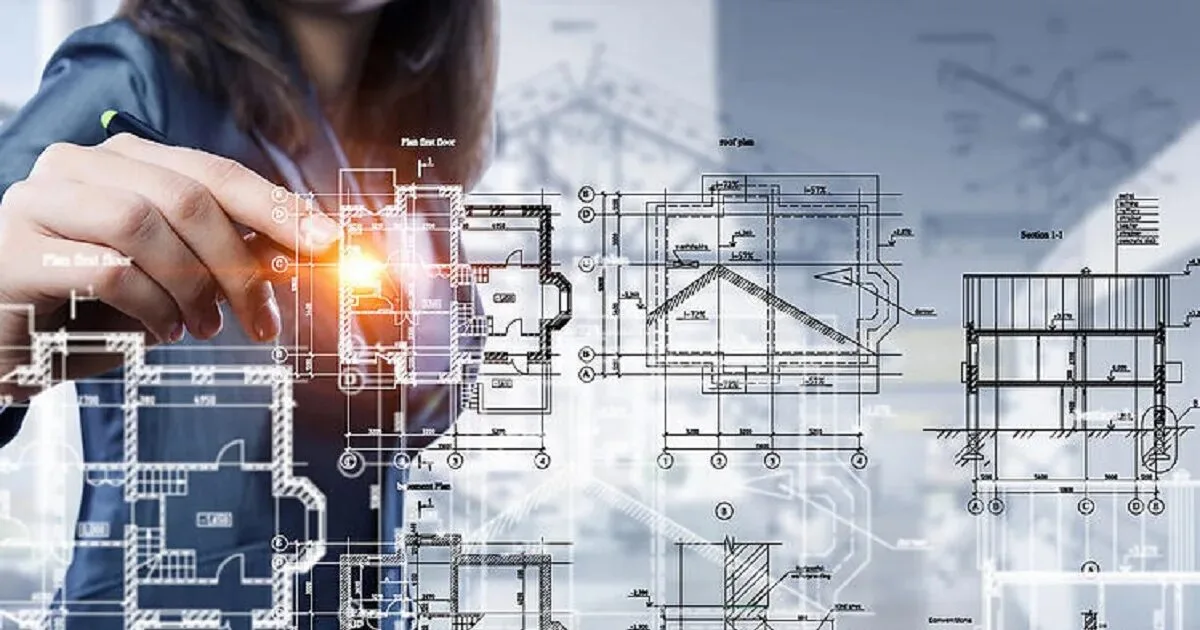
When estimating teams and model authors line up their work, the whole project runs smoothly. Good BIM output does more than look neat on screen — it supplies the measurable data estimators need to price work quickly and defensibly. This article walks through practical changes that strengthen the estimation workflow by design, not by accident. Expect clear steps, real checks, and a few small rituals that save hours on every package.
Turn the model into a measurement tool
A model built for measurement behaves differently from a model built for presentation. The difference is a short list of fields that always exist on extractable objects: material, unit of measure, finish, and a procurement note. When families consistently carry those attributes, quantity extraction is a verification task rather than a reconstruction.
-
Estimators run queries against the model instead of tracing lines on PDFs.
-
Repeatable elements scale automatically across levels.
-
Units and tolerances are explicit — conversion errors vanish.
When BIM Modeling Services provide that level of discipline, Construction Estimating Services can focus on pricing judgment and procurement timing instead of cleaning data.
Short pilots catch big errors cheaply
Don’t wait for full takeoff to discover mis-tagged doors or graphical families exported as measurable items. Run a pilot extract on a representative floor or a zone with typical complexity. That single extract exposes the small mistakes that otherwise become expensive to fix later.
A practical pilot routine:
-
Choose a repeatable floor or typical zone.
-
Extract quantities and compare to a manual sample takeoff.
-
Hold a focused review with the modeler and estimator.
-
Implement fixes and re-export.
This loop aligns both teams quickly and reduces conditioning iterations during the main QTO. The pilot also builds a short institutional memory — the fixes become part of the project’s template.
Build a living mapping table
Models use families; commercial systems use cost codes. A living mapping table links the two: model family/type → WBS or cost code → procurement unit. Keep the table versioned and ship it with every handover.
Why it matters:
-
Imports into the estimating software become straightforward.
-
Buyers receive quantities in the units they actually order (m², nos, m).
-
Reconciliation after procurement is faster and less error-prone.
When BIM Modeling Services and Construction Estimating Services work from the same mapping table, the first priced draft is verification, not an emergency data clean-up.
Time-phased outputs make estimates actionable
A raw quantity list is a number. A time-phased QTO is a plan. Tag elements to milestones so quantities align with programme windows. This enables procurement to stage orders and protects margin by avoiding premium freight and last-minute site chaos.
Practical phasing steps:
-
flag long-lead items during the pilot extract.
-
export milestone-based QTOs (foundations, envelope, fit-out).
-
produce a simple procurement pack for each milestone.
Time-phased outputs turn Construction Estimating Services into operational partners for the supply chain, not just number suppliers.
Automate the routine, govern the rules
Automation frees human time, but only when inputs are disciplined. Start with simple scripts that normalize units, collapse non-extractable presentation families, and produce exception reports for missing tags. Don’t automate naming — enforce naming first; automate after.
Useful automations:
-
Unit normalizer (mm → m, cm² → m²),
-
Family-to-cost-code mapper based on the living table,
-
Export a validator that flags missing material or finish tags.
When BIM Modeling Services adopt basic governance and Construction Estimating Services accept automated conditioned exports, both teams gain big productivity returns.
Scenario runs: rapid, evidence-based choices
A structured model makes scenario testing practical. Change a façade system, try a prefabrication option, or swap an internal finish — update the model, re-extract the affected scope, and reprice. Because inputs are versioned and mapped, scenario deltas are immediate and defensible.
Benefits of routine scenario testing:
-
Owners see cost, schedule, and risk trade-offs.
-
Teams move from reactive value engineering to planned trade-offs.
-
Procurement gets to compare real alternatives before committing.
Scenario runs are where BIM Modeling Services and Construction Estimating Services jointly add strategic value.
Lightweight QA that prevents downstream rework
Quality control shouldn't be a bottleneck. Try a three-step QA rhythm:
-
pilot extract and joint review,
-
quick fixes and re-export,
-
sample spot-check (doors, windows, sanitary) before full QTO.
Add one non-negotiable rule: exports without the mandatory parameter set are rejected until corrected. This minimal discipline prevents hours of manual conditioning later.
Keep human judgment visible and auditable
Models count; people judge. A model won’t capture a narrow loading bay, an impending permit delay, or a temporary supplier constraint. Estimators must apply these realities and record them. Attach a short assumptions log to each priced package: who made the call, why, and what the fallback is.
That small habit reduces disputes and keeps contingency targeted where uncertainty actually exists.
Measure, refine, scale
If you want to make this approach repeatable across projects, measure a handful of indicators during pilots:
-
hours per takeoff before vs after model-led extraction;
-
conditioning iterations per QTO;
-
variance between the estimate and procurement quantities;
-
frequency and cost of scope-related change orders.
Use these metrics to refine naming guides, mapping logic, and training focus. Numbers permit you to scale.
Conclusion
Strengthening the estimation workflow is not about buying the flashiest tools. It’s about making a few practical choices: build measurable models, run early pilots, keep a living mapping table, time-phase quantities, automate sensible conditioning, and record human judgment. When BIM Modeling Services and Construction Estimating Services align on those practices, the result is faster, clearer, and more defensible estimates — and projects that spend less time fixing surprises and more time building.
- Digital Agency
- Literie
- Location de voitures
- Restaurant
- Restaurant
- Mode
- Mode
- Information
- Marketing
- Tourisme
- Développement
- Découverte
- Législation
- Gastronomie
- Pâtisserie
- Etkinlik
- Art
- Causes
- Crafts
- Dance
- Drinks
- Film
- Fitness
- Food
- Oyunlar
- Gardening
- Health
- Ana sayfa
- Literature
- Music
- Networking
- diğer
- Party
- Religion
- Shopping
- Sports
- Theater
- Wellness
 Turkish
 Indian
 English
 French
 Arabic
 Spanish
 Portuguese
 Deutsch
 Dutch
Dutch
 Italiano
 Russian
 Romaian
 Portuguese (Brazil)
 Greek
Greek
