


Modern BIM Modeling for Reliable Construction Estimating
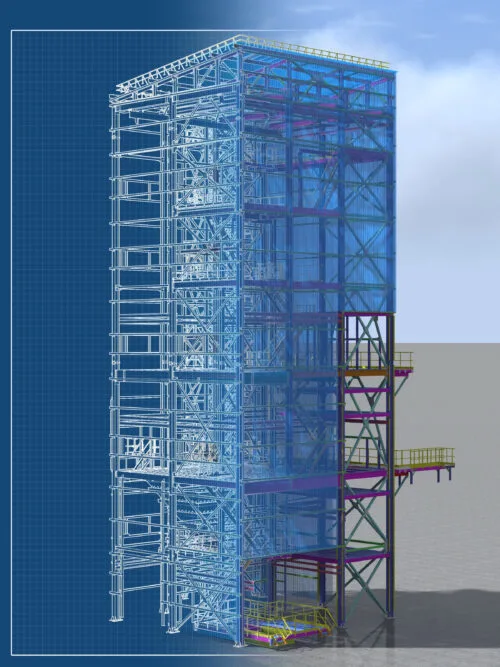
Reliable estimates start with reliable inputs. Modern BIM practices aren’t about flashy visuals; they’re about making the model an honest, auditable dataset that estimators can use without rebuilding it from scratch. When teams tighten the link between the 3D model and the cost plan, the whole project moves from guesswork to evidence-based decisions.
Make the model predictable, not mysterious
A predictable model follows a short set of rules that everyone understands. That means agreeing up front on Level of Detail (LOD), naming conventions, and which parameters are mandatory. When BIM Modeling Services deliver families with consistent material, unit, and finish parameters, exports become queryable. Estimators stop counting pixels and start validating quantities.
Practical checklist to improve predictability:
-
Agree on LOD and required tags at kickoff.
-
Use a one-page naming and tagging guide attached to every handover.
-
Require a snapshot and a version number with each export.
These steps sound small because they are. But small rules prevent large clean-up work later.
Use modern file practices: IFC, COBie, and snapshots
The right file format matters. IFC or COBie exports preserve attributes and make mapping simpler. A well-structured IFC reduces errors that come from copy-paste exports. Also, archive the exact model snapshot used for each takeoff. Traceability is not optional; it is the difference between a defensible estimate and a long argument.
When Construction Estimating Services receive a conditioned IFC or clean CSV, they can automate much of the import and focus on assumptions and rates instead of hunting for missing finishes.
Automate conditioning, but govern first
Automation speeds things up — if the input is disciplined. Scripts can normalize units, map families to WBS codes, and flag missing tags. But automation must come after governance. Invest first in naming discipline and mandatory parameters. Only then will automation pay real dividends.
Useful automations include:
-
unit normalization (mm → m, cm → m²);
-
family-to-cost-code mapping scripts;
-
automated pilot-extract reports highlighting missing tags.
These cut repetitive work and reduce human error. They give estimators time back for judgment tasks where they add value.
Make QA collaborative and fast
Quality control shouldn’t be a one-sided audit. Run quick pilot extracts and review them together — modeler and estimator in the same room or on a short call. A three-step QA loop works well:
-
pilot extract on one representative floor or zone.
-
quick review meeting (15–30 minutes) to fix naming and parameter gaps.
-
Second, extract and import to the pricing tool.
This loop finds the stubborn, small mistakes before they become expensive. It also builds mutual trust between the teams delivering the model and those using it for the cost.
Embed procurement thinking into the model
A model that helps estimate should also help with buying. Tag long-lead items, flag bespoke assemblies, and include procurement units (nos, m², m³). Time-phase the quantities against major milestones so buyers can stage orders and avoid emergency purchases.
When BIM Modeling Services include procurement metadata and Construction Estimating Services use time-phased QTOs, the whole supply chain becomes calmer. Fewer rush orders. Fewer premium shipments. Less yard chaos.
Prefabrication and constructability require richer data
If you plan to prefab, the model must include assembly metadata: panel sizes, connection points, lift weight, and transport dimensions. That extra detail lets estimators compare off-site vs on-site scenarios with real numbers, not guesses. It also helps logistics: the yard team will thank you later.
Scenario testing becomes practical when the model supports it. Swap a curtain wall system and rerun the extract. The delta appears in materials, crane hours, and transport costs. Presenting two or three priced options is now feasible, and clients prefer that.
Keep humans in the loop — judgment still wins
Models give consistent counts. People add context. A model won’t know about a temporary road closure or local labor productivity. Experienced estimators must apply productivity adjustments, site constraints, and contingency where appropriate. Record those choices in a short assumptions log that travels with the estimate.
When BIM Modeling Services hand over clean, versioned data and Construction Estimating Services attach visible judgments, the estimate becomes both precise and practical.
Measure, refine, and scale
If you want to make modern BIM pay across projects, measure the right things:
-
hours per takeoff before vs. after model adoption;
-
number of conditioning iterations per QTO;
-
variance between the estimate and procurement quantities;
-
frequency and value of scope-related change orders.
Use those metrics to refine the naming guide, improve mapping logic, and target training. Small, measurable improvements compound quickly across a program of work.
Getting started this week
You don’t need a widescale IT rollout to make progress. Start with one pilot:
-
Pick a repeatable floor or trade.
-
Publish a one-page parameter and naming brief.
-
Run a pilot extract.
-
fix gaps, update the mapping table, repeat.
A focused pilot shows impact fast and builds templates for scale.
Conclusion
Modern BIM modeling is not about complexity. It’s about predictability, governance, and connecting model outputs to commercial reality. When BIM Modeling Services deliver disciplined, versioned data and Construction Estimating Services consume that data with clear mapping and judgment, estimates become faster, more defensible, and fit to guide construction — not just document it. Start small, measure what matters, and iterate. The payoff is quieter procurement, clearer bids, and projects that behave the way you planned.
- Digital Agency
- Literie
- Location de voitures
- Restaurant
- Restaurant
- Mode
- Mode
- Information
- Marketing
- Tourisme
- Développement
- Découverte
- Législation
- Gastronomie
- Pâtisserie
- Veranstaltung
- Art
- Causes
- Crafts
- Dance
- Drinks
- Film
- Fitness
- Food
- Spiele
- Gardening
- Health
- Startseite
- Literature
- Music
- Networking
- Andere
- Party
- Religion
- Shopping
- Sports
- Theater
- Wellness
 Deutsch
 Indian
 English
 French
 Arabic
 Spanish
 Portuguese
 Turkish
 Dutch
Dutch
 Italiano
 Russian
 Romaian
 Portuguese (Brazil)
 Greek
Greek
