


How Bamboo Flooring Supports LEED & Green Building Certifications
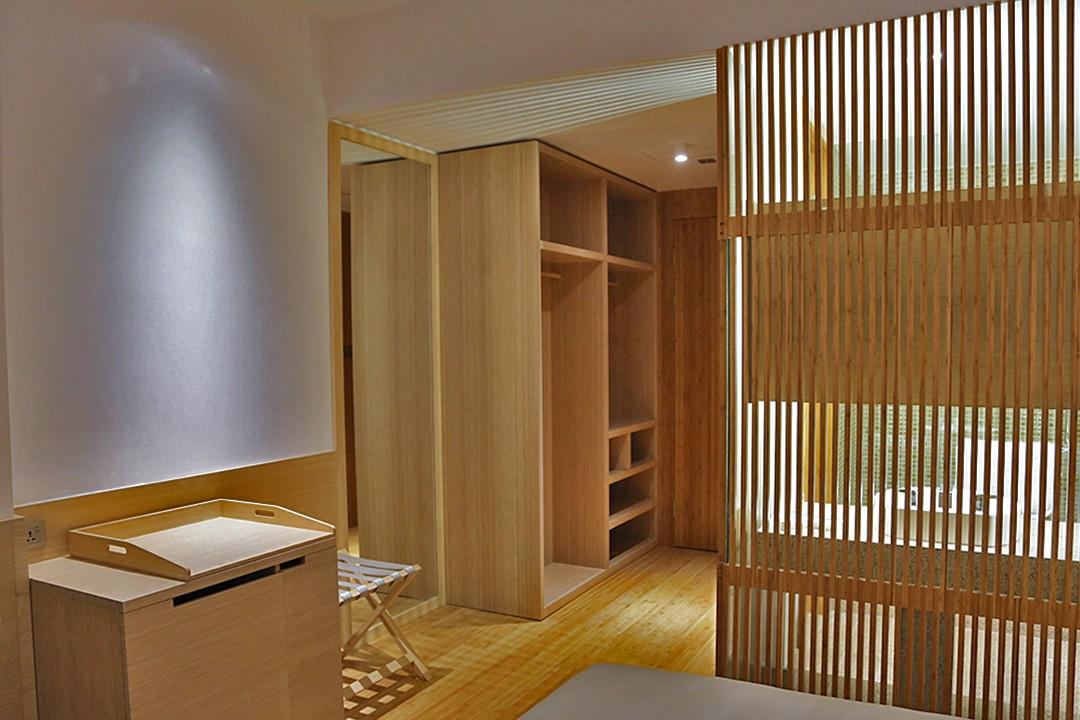
Sustainable design is no longer a fringe concept—it has evolved into one of the core principles guiding architecture, construction, and interior design. The materials used within buildings play a crucial role in determining their overall environmental impact, influencing everything from energy efficiency to carbon footprint. Among the materials admired for both ecological benefits and visual appeal, bamboo flooring consistently earns attention.
Its relationship with Leadership in Energy and Environmental Design (LEED) and other green building certifications has deepened over the years. Bamboo’s rapid renewability, low embodied energy, and versatility make it a preferred material for projects seeking certification under LEED, BREEAM, Green Globes, or the WELL Building Standard. While wood flooring remains a timeless favorite, bamboo presents a modern, eco-conscious alternative that supports green initiatives on multiple fronts—materials sourcing, low emissions, durability, and lifecycle performance.
Understanding LEED and Green Building Certifications
LEED, administered by the U.S. Green Building Council (USGBC), provides a comprehensive framework for assessing the environmental performance of buildings. Projects earn points across categories like Materials and Resources, Indoor Environmental Quality, Energy and Atmosphere, and Sustainable Sites. Achieving certification—from Certified to Platinum—demonstrates a building’s commitment to sustainability through quantified measurable actions.
Similarly, other certification programs—such as BREEAM in the United Kingdom and Green Star in Australia—operate with comparable goals: to encourage resource efficiency, healthier spaces, and transparency in product sourcing. Materials that meet renewable, recycled, or low-emission criteria often provide an opportunity for earning points or credits.
Bamboo, when properly cultivated and processed, checks many of these boxes. It qualifies as a rapidly renewable material, offers potential contributions to low-VOC indoor environments, and may even improve a building’s embodied carbon score depending on its source and manufacturing practices.
Bamboo as a Rapidly Renewable Resource
LEED’s Materials and Resources category includes credit opportunities for using rapidly renewable materials—those that can be re-harvested in a short timeframe, typically fewer than ten years. Bamboo’s extraordinary growth rate makes it one of the most compliant natural materials in this regard. While hardwood trees may require 40 to 80 years to mature, bamboo can be harvested within three to five years, depending on the species.
More importantly, harvesting bamboo doesn’t necessitate replanting. Its root system, or rhizome, naturally regenerates new shoots after cutting, minimizing soil disturbance and preserving ecosystems. This regenerative capability significantly distinguishes bamboo from conventional wood sources and greatly reduces deforestation pressure.
When sourced responsibly—especially from well-managed plantations certified by the Forest Stewardship Council (FSC)—bamboo contributes measurable value within LEED’s framework. The FSC certification ensures that the material originates from operations maintaining biodiversity, fair labor, and ecological stability. For project teams pursuing LEED points, documentation of FSC-certified bamboo often strengthens their Materials and Resources credit applications.
Low VOC Emissions and Improved Indoor Air Quality
Indoor Environmental Quality (IEQ) represents one of the most critical aspects of green building evaluation. Contaminants from materials—particularly volatile organic compounds (VOCs)—can affect occupant health and comfort. Traditional flooring products with chemical adhesives, finishes, and sealants often release these compounds over time, compromising indoor air quality.
Bamboo flooring, when produced under strict environmental standards, shows clear advantages in this category. Manufacturers frequently use water-based adhesives or low-formaldehyde resins to bond bamboo fibers. Products certified by GREENGUARD or meeting California Air Resources Board (CARB) Phase 2 standards demonstrate compliance with low-emission requirements.
Installing such flooring supports LEED credits related to low-emitting materials. Additionally, bamboo’s inherent resistance to moisture and pest infestation reduces the need for heavy chemical treatments, keeping spaces cleaner and safer. The result is a flooring material that aligns environmental performance with occupant well-being—something integral to both LEED and WELL Building certifications.
Lifecycle Analysis: Durability and Longevity
A common misconception about bamboo flooring is that it lacks the toughness of hardwood. Modern production techniques, however, have transformed its performance capabilities. Strand-woven bamboo flooring, created by compressing bamboo fibers under heat and pressure, achieves hardness ratings that exceed that of oak or maple.
Durability ties directly to sustainability. LEED encourages the use of materials with long life expectancy and low maintenance needs, as this reduces waste and resource consumption over time. Floors that withstand wear, resist moisture, and maintain aesthetic appeal contribute positively to lifecycle assessments.
Properly installed bamboo flooring can last over two decades with minimal maintenance. Its surface can often be refinished when necessary, further extending usefulness. By combining endurance with low energy input during manufacturing, it fits comfortably within the principles of material efficiency and lifecycle performance recognized by major green certification frameworks.
Responsibly Managed Supply Chains
One of the most important factors in assessing bamboo’s environmental credibility is traceability—knowing where, and how, the material was cultivated and processed. Bamboo primarily thrives in Asia, particularly in China and Southeast Asia, where it is abundant and culturally significant. However, not all bamboo plantations adhere to best ecological practices. Monocropping, over-harvesting, or poorly managed land can undermine bamboo’s sustainability story.
To avoid greenwashing, certification systems emphasize transparency in sourcing. LEED and other programs reward materials verified through independent bodies like FSC, Cradle to Cradle, or Environmental Product Declarations (EPDs). These documents outline the full environmental impact from raw material extraction to manufacturing and transportation.
Many manufacturers now publish EPDs or conduct Life Cycle Assessments (LCAs) for their bamboo products, demonstrating lower embodied carbon compared to traditional hardwoods or synthetic options. For architecture firms seeking LEED Materials and Resources credits, including Environmental Product Declarations enhances both documentation quality and credibility.
Renewable Energy and Production Efficiency
Another lesser-known contribution of bamboo to green certification goals lies in production efficiency. Processing bamboo into flooring requires less energy than many other materials due to the relatively mild drying and curing conditions. Some manufacturers further improve sustainability by using biomass energy derived from bamboo waste to power kilns or production lines.
Such practices align with LEED’s Energy and Atmosphere category, indirectly supporting credits associated with on-site renewable energy or reduced operational impact. The material’s lightweight nature also benefits transportation-related emissions, especially for regional projects sourcing from closer bamboo-growing regions.
While not all LEED projects can directly leverage these manufacturing efficiencies into credits, they contribute positively to narrative documentation and supply chain transparency—important factors in achieving exemplary performance.
Aesthetic Flexibility with Environmental Intent
Beyond technical merits, bamboo flooring appeals aesthetically to designers seeking warmth, texture, and modern adaptability. It offers diverse finishes—horizontal, vertical, strand-woven—and color options achieved primarily through heat treatment rather than chemical staining. Sustainable design often integrates visual and ecological harmony, and bamboo’s natural grain delivers both.
Interior designers frequently specify bamboo flooring for spaces emphasizing natural material palettes. Its subtle tonal variations and clean linear pattern complement minimalist, biophilic, and contemporary aesthetics. Because bamboo grows rapidly, consumers enjoy access to diverse finishes without the ethical concern of depleting resources.
Using elegant yet sustainable materials enhances a project’s holistic value. Certifications like LEED recognize this synergy: when aesthetics and environmental responsibility coexist, they reinforce both occupant satisfaction and sustainable performance.
How Bamboo Flooring Contributes to Specific LEED Credits
Projects pursuing LEED certification can derive direct and indirect credit contributions from bamboo flooring across several categories:
-
Materials and Resources (MR):
Bamboo qualifies as a rapidly renewable material, potentially aligning with LEED credits for responsible material selection and sourcing. When FSC-certified, it may also support credits for responsibly managed forests. -
Indoor Environmental Quality (EQ):
Low-VOC adhesives, sealants, and finishes contribute to healthier indoor air quality, earning points for low-emitting materials. -
Regional Materials (MR):
For projects within or near bamboo-growing regions, using locally manufactured flooring may contribute additional points for reducing transportation impacts. -
Innovation (IN):
Innovative manufacturing approaches—such as waste minimization, renewable energy use, or closed-loop production systems—can earn exemplary performance credits under Innovation in Design.
The cumulative effect varies depending on the project location, material documentation, and compliance level of the manufacturer. Still, in aggregate, bamboo contributes meaningfully toward achieving a sustainable certification target.
Bamboo Beyond LEED: Supporting Broader Sustainability Frameworks
While LEED remains the most widely recognized sustainability certification, bamboo flooring also aligns neatly with other international standards. For example, BREEAM evaluates materials on lifecycle impacts, and bamboo often scores well due to renewable sourcing and low embodied energy. Similarly, the WELL Building Standard, which focuses on health and wellness, credits low-emission, natural materials that improve indoor environmental conditions.
Bamboo’s role extends into Passive House and net-zero design as well, where material selection supports thermal comfort and embodied carbon reduction. These cross-framework benefits make bamboo flooring a reliable and versatile choice across geographic and professional contexts.
The Broader Implications: Design Responsibility and Natural Innovation
Adopting bamboo flooring is more than a design decision—it’s part of a broader conversation on responsible sourcing, ecological awareness, and material innovation. Architects, builders, and homeowners choosing bamboo are supporting a supply chain that prioritizes renewability and environmental performance.
Each panel or plank represents a shift from extraction-heavy industries to regenerative ones. Each project that earns certification using bamboo materials demonstrates how nature’s resources, when used respectfully, can align beauty with sustainability. These quiet choices accumulate into measurable progress, shaping smarter and cleaner spaces around us.
The appeal of bamboo flooring rests partly in its story—rapid renewal, minimal interference with ecological balance, and modern adaptability. Within LEED-certified and other green building projects, it embodies how design integrity and environmental stewardship can work side by side.
Sustainable architecture thrives on such harmonies. Bamboo flooring, unassuming yet resourceful, stands as a tangible expression of how thoughtful material choices support ambitious environmental goals—one square foot at a time.
- Digital Agency
- Literie
- Location de voitures
- Restaurant
- Restaurant
- Mode
- Mode
- Information
- Marketing
- Tourisme
- Développement
- Découverte
- Législation
- Gastronomie
- Pâtisserie
- Veranstaltung
- Art
- Causes
- Crafts
- Dance
- Drinks
- Film
- Fitness
- Food
- Spiele
- Gardening
- Health
- Startseite
- Literature
- Music
- Networking
- Andere
- Party
- Religion
- Shopping
- Sports
- Theater
- Wellness
 Deutsch
 Indian
 English
 French
 Arabic
 Spanish
 Portuguese
 Turkish
 Dutch
Dutch
 Italiano
 Russian
 Romaian
 Portuguese (Brazil)
 Greek
Greek
